
Every child's hands develop differently, but when two or more fingers are joined together at birth, the condition is known as syndactyly. It is one of the most common congenital hand conditions and can range from a simple connection of the skin to more complex cases involving bones, tendons, nerves, and blood vessels. While some children experience only cosmetic concerns, others may develop functional limitations as they grow.
Parents often wonder whether surgery is necessary, when it should be performed, and what recovery involves. Understanding the condition helps families make informed decisions and ensures children receive timely care. For families in Bangalore and across Karnataka, early evaluation by a specialist in pediatric hand surgery can support healthy hand development.
What Is Syndactyly?
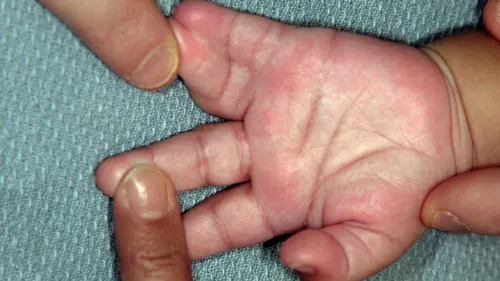
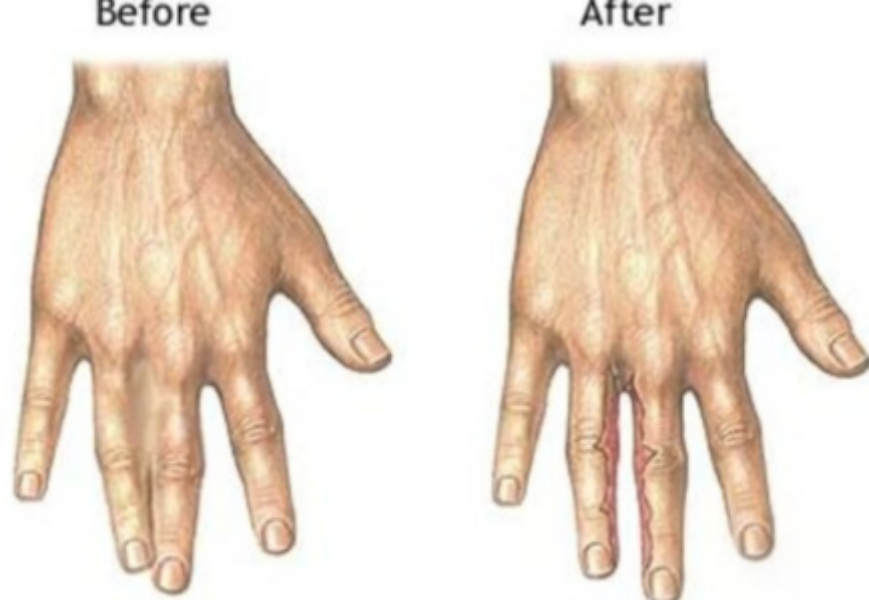
Syndactyly is a congenital condition in which two or more fingers are fused together. The fusion may involve only the skin or extend deeper into the bones and soft tissues.
The condition may affect:
- Two adjacent fingers
- Multiple fingers
- One hand or both hands
- Fingers with varying degrees of fusion
The exact appearance differs from child to child, making individualized assessment essential.
Why Does Syndactyly Occur?
Syndactyly develops during fetal growth when the fingers do not separate completely before birth.
Possible contributing factors include:
- Genetic influences
- Family history in some cases
- Developmental variations during pregnancy
- Certain congenital syndromes
In many children, syndactyly occurs without any identifiable cause and is not associated with other medical conditions.
How Can Syndactyly Affect Hand Function?
The impact depends on which fingers are involved and the severity of the fusion.
Some children may experience:
- Difficulty grasping larger objects
- Reduced finger independence
- Limited hand coordination
- Challenges with fine motor skills
- Uneven finger growth in complex cases
As children begin writing, drawing, and participating in sports, these functional differences may become more noticeable.
When Is Surgery Recommended?
The timing of surgery depends on the specific type of syndactyly and the child's stage of development.
In general, surgery may be considered when:
- Finger growth could become uneven
- Thumb or little finger involvement affects function
- Complex fusion limits movement
- Parents notice delayed hand development
- The condition interferes with daily activities
Early treatment helps support normal finger growth while minimizing future complications.
What Happens During Syndactyly Surgery?
The goal of surgery is to separate the fused fingers while preserving their function and appearance.
Depending on the complexity of the condition, the procedure may involve:
- Careful separation of the fingers
- Skin reconstruction
- Skin grafting when required
- Reconstruction of soft tissues
- Protection of nerves and blood vessels
Every surgical plan is customized according to the child's anatomy.
Recovery After Surgery
Children generally recover well when postoperative instructions are followed.
Recovery often includes:
- Protective dressings or splints.
- Regular wound care.
- Follow-up examinations.
- Gentle hand exercises when advised.
- Monitoring hand growth during childhood.
Most children gradually regain normal use of their hands as healing progresses.
Long-Term Outlook
The majority of children who undergo timely surgery develop excellent hand function. Continued growth monitoring ensures that finger development remains balanced.
Benefits of early treatment may include:
- Improved finger movement
- Better grip strength
- Enhanced hand coordination
- Greater independence in daily activities
- Improved cosmetic appearance
Each child's recovery depends on the complexity of the condition and the rehabilitation programme.
Choosing a Specialist for Congenital Hand Conditions
Treating syndactyly requires expertise in pediatric hand surgery, reconstructive techniques, and long-term developmental care. Families benefit from consulting specialists who understand both the functional and cosmetic aspects of congenital hand differences.
Parents in Bangalore often consult Dr. Kishan Rao for the evaluation and treatment of congenital hand conditions, including syndactyly and other reconstructive procedures. Through handsurgeon.co.in, families can also access educational information about treatment options, recovery expectations, and long-term care.
Syndactyly surgery is not simply about separating fused fingers—it is about helping children develop stronger hand function, greater confidence, and improved independence as they grow. Early diagnosis, individualized treatment, and ongoing follow-up provide the best opportunity for excellent long-term outcomes.