
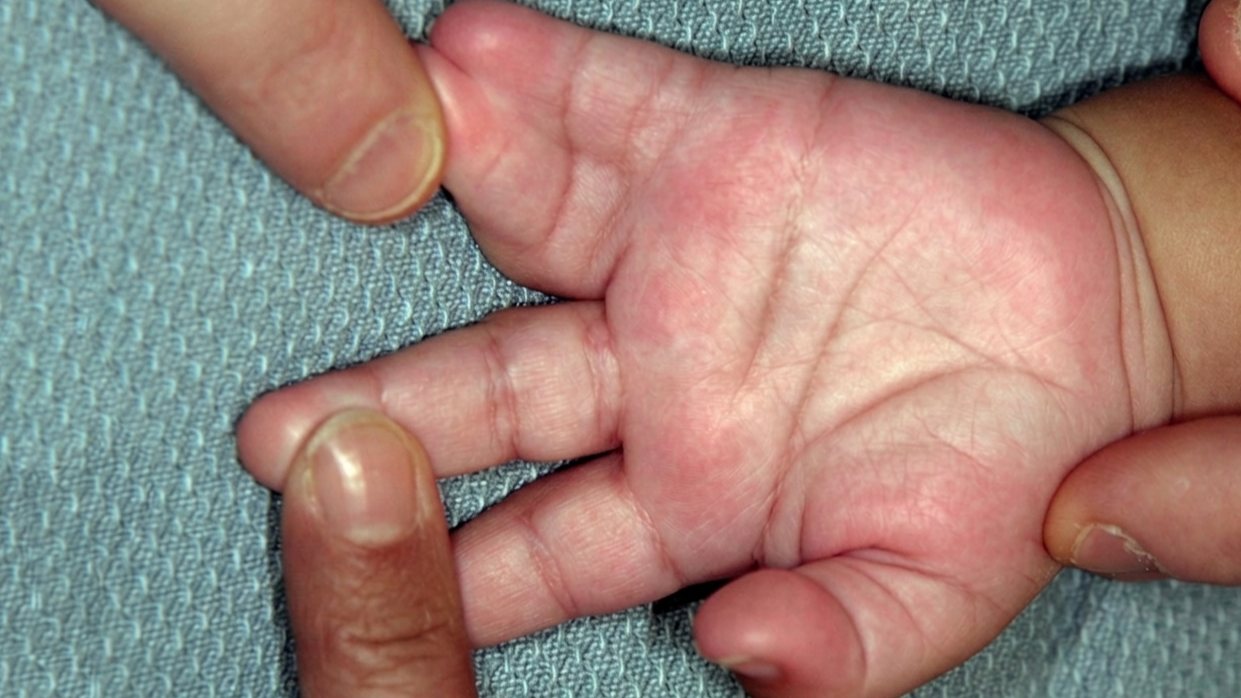
Every child deserves the opportunity to grow, play, learn, and develop without unnecessary physical limitations. Some babies are born with differences in the way their hands or fingers have formed. These conditions, known as birth anomalies of the hand, can vary from mild cosmetic differences to complex structural abnormalities that affect hand function.
Early diagnosis and timely treatment often allow children to develop better hand function while supporting normal growth and independence. Parents in Bangalore and throughout Karnataka increasingly seek specialist evaluation when they notice unusual hand development in newborns or young children.
What Are Birth Anomalies of the Hand?
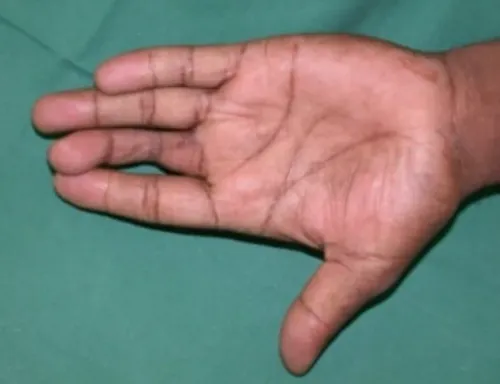
Birth anomalies, also called congenital hand differences, are conditions present at birth that affect the development of the hand, fingers, thumb, or wrist.
These conditions develop during pregnancy and are usually unrelated to anything the parents did or did not do.
Some anomalies affect appearance alone, while others influence movement, grip strength, or finger function.
Common Types of Birth Anomalies
Congenital hand conditions can present in different forms.
Some commonly seen conditions include:
- Missing fingers
- Extra fingers (polydactyly)
- Fused fingers
- Underdeveloped thumb
- Short fingers
- Abnormal finger positioning
- Wrist deformities
- Bone or tendon abnormalities
Each child requires an individualized assessment because no two cases are exactly alike.
What Causes These Conditions?
In many cases, the exact cause remains unknown.
Possible contributing factors include:
- Genetic influences
- Developmental variations during pregnancy
- Associated congenital syndromes
- Rare hereditary conditions
Most birth anomalies occur without any family history.
Signs Parents Should Watch For
Some conditions are obvious immediately after birth, while others become noticeable as the child grows.
Parents may observe:
- Fingers joined together
- Difficulty grasping toys
- Limited finger movement
- Missing thumb or fingers
- Unequal hand size
- Delayed hand development
- Difficulty performing age-appropriate activities
Early evaluation allows treatment planning before functional limitations become more significant.
How Are Birth Anomalies Evaluated?
A specialist carefully examines:
- Bone development
- Joint movement
- Tendon function
- Nerve status
- Growth potential
- Overall hand function
Imaging studies such as X-rays may also be used to understand the underlying anatomy.
Treatment Options
Treatment depends on the specific condition, the child's age, and functional needs.
Management may include:
- Observation for mild conditions
- Hand therapy
- Splinting
- Reconstructive surgery
- Tendon procedures
- Bone correction
- Microsurgical techniques when necessary
The objective is always to maximize hand function while supporting normal development.
Why Timing Is Important
Children's hands continue to develop rapidly during the early years of life.
Appropriate treatment at the right stage can help:
- Improve grip strength
- Enhance finger movement
- Support normal motor development
- Increase independence
- Improve cosmetic appearance where appropriate
- Reduce future functional limitations
Treatment timing varies depending on the type of anomaly and the child's developmental milestones.
Supporting Your Child After Treatment
Recovery does not end after surgery.
Many children benefit from:
- Occupational therapy
- Hand exercises
- Parent-guided rehabilitation
- Regular developmental monitoring
- Periodic follow-up assessments
A coordinated approach involving parents, therapists, and surgeons helps children achieve their full functional potential.
Finding Specialized Care
Congenital hand differences require expertise in pediatric hand surgery, reconstructive techniques, and long-term developmental care. Choosing a specialist experienced in these conditions allows families to receive individualized treatment plans tailored to the child's specific needs.
Families in Bangalore often consult Dr. Kishan Rao for the assessment and treatment of congenital hand conditions, reconstructive surgery, and pediatric upper limb disorders. Through handsurgeon.co.in, parents can also learn more about congenital hand anomalies, available treatment options, and what to expect during their child's recovery journey.
A birth anomaly of the hand does not define a child's future. With early diagnosis, specialized treatment, and continued rehabilitation, many children develop excellent hand function and go on to participate confidently in school, sports, hobbies, and everyday activities.