
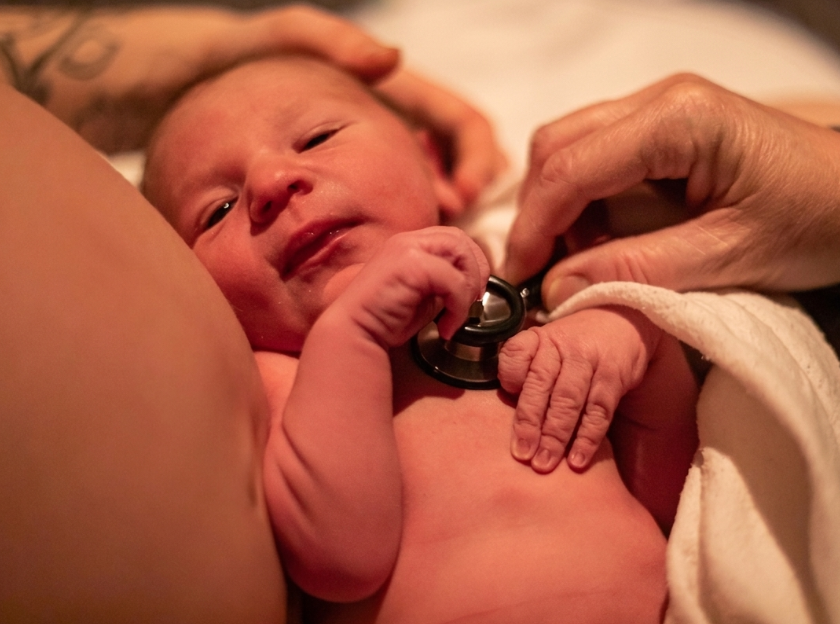
A congenital hand difference is present at birth and may affect the appearance, structure, movement, or function of a child's hand or upper limb. Some differences are noticed immediately after delivery, while others become more relevant as a child grows and begins using the hands for increasingly complex activities.
Parents exploring birth anomaly treatment in Bangalore often want to know what the condition means for their child's development and whether treatment will be necessary.
Congenital Hand Differences Are Not All the Same
The term covers a broad group of conditions.
A child may have differences involving
- Finger number
- Finger separation
- Thumb development
- Finger length
- Bone formation
- Joint position
- Tendons
- Forearm structures
- Overall upper-limb development
The effect on function can therefore vary considerably.
Some children adapt extremely well without extensive treatment. Others may benefit from surgery, therapy, splinting, or a combination of approaches.
Assessment Looks Beyond Appearance
One of the most important parts of evaluation is understanding how the child's hand is likely to function as development progresses.
A specialist may assess
- Finger movement
- Thumb position
- Grip potential
- Joint stability
- Bone alignment
- Skin involvement
- Circulation
- Associated upper-limb differences
Imaging may be required to understand the underlying bone structure.
Certain congenital hand conditions may also occur alongside other developmental differences. When appropriate, additional medical evaluation may therefore form part of the child's overall care.
Why Is the Thumb Important?
The thumb plays a major role in grasping, pinching, holding objects, writing, and many fine motor tasks.
For this reason, congenital differences affecting thumb position or development may have a significant functional impact even when the rest of the hand appears relatively well formed.
Treatment planning often considers how effectively the child can oppose the thumb to the fingers and use the hand for practical tasks.
Is Surgery Always Necessary?
No.
The need for surgery depends on the specific congenital difference and its effect on function. Appearance may be one consideration, but functional development is usually central to planning.
When surgery is appropriate, timing can matter.
Certain procedures may be planned during childhood to support hand development, while other conditions may be observed before a decision is made.
Because congenital conditions differ substantially, there is no single age at which every child should undergo treatment.
Growth Must Be Considered
A child's hand is developing continuously. Bones lengthen, joints mature, and patterns of hand use change as new skills develop.
Treatment planning therefore needs a long-term perspective.
A procedure that improves one structural issue must also take future growth and function into account. Follow-up can help assess how the hand develops after treatment.
Rehabilitation May Support Function
Therapy can be valuable before or after certain procedures.
Depending on the condition, rehabilitation may help a child develop
- Grip patterns
- Pinch function
- Finger movement
- Hand coordination
- Age-appropriate functional skills
Children often find their own ways of adapting, so treatment should consider what they can already do effectively rather than focusing only on anatomical appearance.
Families in Bangalore and other parts of Karnataka seeking care for a congenital hand condition can benefit from an assessment that explains both the structural difference and its likely functional significance.
Dr. Kishan Rao evaluates congenital hand conditions with attention to development, function, anatomy, and appropriate timing of intervention.
For parents, the most useful first step is obtaining a clear diagnosis. Understanding the exact condition can make discussions about observation, therapy, surgery, timing, and expected functional development much more meaningful.