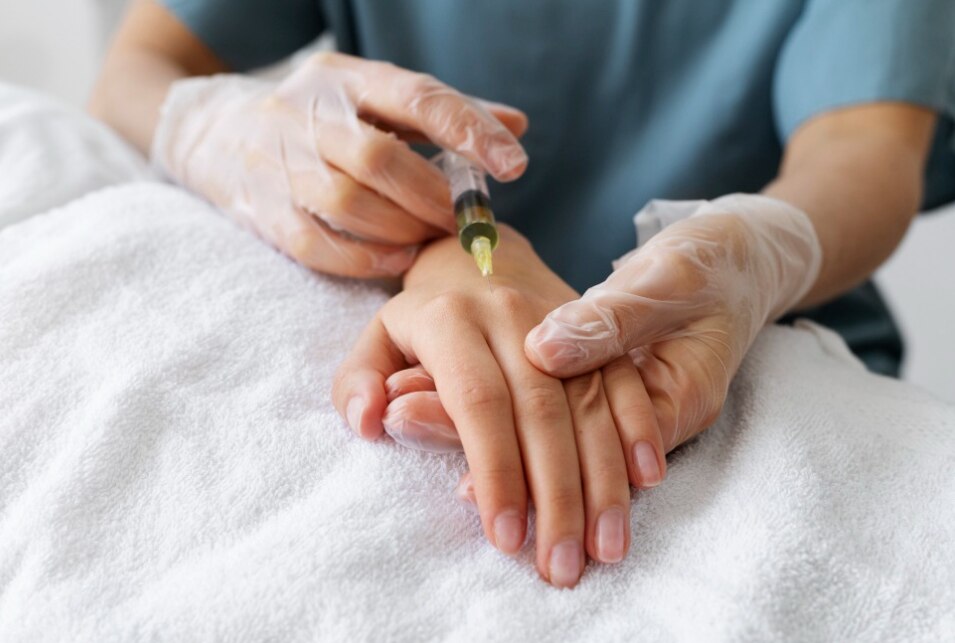
Visible veins, thin skin, spots, scars, lumps, nail changes, and altered finger shape do not all need the same treatment. By separating appearance concerns from pain, weakness, contracture, nerve symptoms, and suspicious growths, you can identify which options are cosmetic, which are functional, and which require diagnosis first.
Key takeaways
- Cosmetic hand surgery primarily targets visible changes on the back of the hand.
- Assessment distinguishes appearance concerns from pain, weakness, numbness, or loss of function.
- Ask about expected results, scarring, recovery time, complications, and nonsurgical alternatives.
- Seek medical evaluation first when a hand concern causes pain or limits movement.
Cosmetic hand surgery includes several different treatments
The cosmetic hand surgery definition is an umbrella term for treatments chosen primarily to improve hand appearance, not one specific operation. Cosmetic treatment usually targets the back of the hand, where age-related thinning makes tendons, bones, and veins more visible.
Hand rejuvenation may restore lost soft-tissue volume with dermal filler or fat grafting, soften skin changes, or reduce the appearance of prominent veins.
Common cosmetic aims include:
- Restoring volume and reducing wrinkles with filler, fat grafting, or skin resurfacing
- Improving age spots, pigmentation, and scars with dermatologic treatment or scar revision
- Removing a benign lump or correcting a shape that is unattractive but does not impair function
| Type of care | Main purpose | Typical reason for treatment |
|---|---|---|
| Cosmetic hand surgery | Improve appearance | You want younger-looking or more even-looking hands |
| Reconstructive hand surgery | Restore structure or function | Injury, deformity, tissue loss, or a congenital difference |
| Medically necessary hand surgery | Treat disease or prevent worsening | Pain, weakness, nerve dysfunction, contracture, or loss of motion |
These categories can overlap. For example, surgery for arthritis or Dupuytren disease may change the hand’s appearance, but it is reconstructive hand surgery or medically necessary hand surgery because the indication is a disorder—not appearance alone.
Which visible hand concerns can treatment address?
The back of the hand is the usual cosmetic target. Treatment can restore lost soft-tissue volume and soften texture, but it cannot reliably recreate a much younger hand or remove every vein, tendon, wrinkle, or age-related change.
| Concern | Matching treatment | Realistic result |
|---|---|---|
| Loose skin on hands | Skin resurfacing, prescription creams, or fat grafting for associated volume loss | Smoother texture and fuller contours; excess skin is not always eliminated |
| Thin skin | Dermal filler or fat grafting; sunscreen and resurfacing for surface damage | Better padding and texture, without changing tendons, bones, or nerves |
| Prominent hand veins | Filler or fat grafting around veins; selected vein treatment after specialist assessment | Veins may look less obvious, but they are not reliably removed |
| Visible tendons on hands | Volume restoration with filler or fat grafting | Softer contour; extensor tendons remain visible when you move your fingers |
| Age spots or pigmentation | Daily sunscreen, prescription creams, chemical peels, or laser treatment | Pigment can fade, though new spots can develop |
| Scars | Silicone treatment, laser resurfacing, steroid treatment, or scar revision | Texture and colour may improve; a scar cannot be erased |
| Benign lumps | Observation or surgical removal after diagnosis | Removal addresses the lump, not general hand ageing |
| Finger shape or nail changes | Correction of an underlying deformity, or treatment of the nail disorder | Cosmetic correction depends on the cause and hand function |
Fillers are temporary and require repeat treatment. Fat grafting can survive unevenly, while either option can cause lumps, asymmetry, bruising, infection, sensory changes, or stiffness. Pain, numbness, loss of motion, or a growing lump needs medical assessment before cosmetic treatment.
When a hand concern is not cosmetic
A visible change needs medical assessment when it causes pain, swelling, weakness, numbness, catching, or loss of motion. Cosmetic treatment changes surface appearance; it does not correct a diseased joint, damaged tendon, compressed nerve, infection, or growing mass.
Look for these clues:
- Thumb-base arthritis causes pain when gripping or pinching, reduced thumb motion, swelling, or a thumb that appears to sit lower or rotate inward.
- Trigger finger causes painful clicking, catching, or locking as you bend or straighten a finger. A thickened tendon sheath, not hand aging, is responsible.
- Tendon imbalance or injury leaves a finger resting in an unusual position or prevents you from actively straightening or bending it, especially after a cut, blow, or dislocation.
- Nerve disease causes tingling, numbness, burning, weak grip, clumsiness, or wasting at the thumb side of the hand. Symptoms that wake you at night deserve attention.
- Dupuytren disease creates palm nodules and tight cords that gradually pull fingers into flexion. The contracture affects function even if it begins as a visible line or lump.
- Infection causes increasing redness, warmth, swelling, drainage, throbbing pain, or fever. A rapidly enlarging, firm, fixed, or unexplained mass needs evaluation to distinguish a tumor from a ganglion cyst or another lump.
A painless ganglion cyst can be observed, but aspiration or excision is considered for persistent pain, restricted movement, or recurrence—not appearance alone. Arrange a hand-specialist assessment before elective correction when any symptom is present.
What happens during assessment, and what are the limits and risks?
A surgeon first determines whether the concern is cosmetic or a sign of disease. During a cosmetic hand surgery consultation, describe pain, numbness, weakness, stiffness, growth, rapid change, medications, allergies, and previous procedures.
- The surgeon inspects both hands for skin thinning, pigmentation, scars, veins, tendons, asymmetry, swelling, lumps, nail changes, and finger position.
- A hand examination tests joint movement, grip and pinch strength, tendon function, sensation, circulation, and tenderness. A painful joint, progressive contracture, numbness, or mass can require medical diagnosis before cosmetic treatment.
- The surgeon compares photographs or measurements and explains whether observation, skin treatment, filler, fat grafting, lesion removal, or another procedure fits the concern. Ultrasound, X-ray, or other imaging is considered for a lump, deformity, or suspected joint problem.
Set a specific target: improved volume, softer wrinkles, or less noticeable pigmentation, not a hand that looks decades younger. Fat can survive unevenly, while filler can produce lumps, asymmetry, or visible contour changes. Neither changes the underlying bones, joints, tendons, or nerves, and temporary filler requires repeat treatment as the body breaks it down.
Discuss hand surgery risks before consenting, including infection, bleeding, scarring, altered sensation, stiffness, persistent asymmetry, and an unsatisfactory result. Dermal filler complications include nodules, inflammation, infection, and accidental injection into a blood vessel, which can cause skin necrosis and, rarely, blindness or stroke.
Ask how complications will be treated and when normal hand use can resume.
How to choose the right next step for your concern
Book a hand surgery evaluation before choosing cosmetic hand treatment options. It protects motion and strength while checking whether a visible change is actually a disorder. A lump, progressive finger bend, painful joint, numbness, catching, or loss of motion changes the plan: arrange assessment by a hand specialist.
A changing or bleeding pigmented spot also needs medical review, not cosmetic treatment alone.
Use these distinctions when deciding when to see a hand surgeon:
| Concern | Next step | Why |
|---|---|---|
| Stable thin skin or volume loss | Discuss filler or fat grafting after examination | Treatment targets contour, not joint or tendon function |
| Age spot that is flat and unchanged | See a dermatologist about sunscreen, prescription lightening treatment, peel, cryotherapy, or laser | Pigment needs skin treatment; it is not a volume problem |
| Changing spot, firm lump, or unexplained swelling | Obtain medical assessment before removal | Diagnosis comes before cosmetic treatment |
| Painful catching or locking | Evaluate for trigger finger | A thickened tendon sheath needs treatment, not rejuvenation |
| Palm cord or finger pulled toward the palm | Assess for Dupuytren disease | The shortened tissue can limit function |
If examination rules out disease, set a modest goal: improved volume or skin texture, not a permanently younger-looking hand. Filler and transferred fat can produce lumps, asymmetry, or uneven survival. Dr.Kishan Rao can use a hand surgery evaluation to separate an appearance concern from a deformity or tumor before treatment.
Related services
Cosmetic hand surgery is a type of surgical procedure that is designed to improve the appearance of the hands. View service → |
Hand deformity correction is a type of surgical procedure that is designed to improve the function and appearance of the hands in individuals with... View service → |
Frequently asked questions
What concerns can cosmetic hand surgery address?
It can address selected visible changes on the back of the hand, including age-related thinning and prominent veins, tendons, or bones. The suitable treatment depends on the cause and your goals.
When is a hand concern not purely cosmetic?
Pain, weakness, numbness, restricted movement, swelling, a new lump, or an injury points to a medical concern that needs assessment before cosmetic treatment.
What happens during a cosmetic hand surgery assessment?
The clinician examines your skin, veins, tendons, joints, movement, sensation, and overall hand function. They discuss your goals, treatment options, expected results, recovery, risks, and alternatives.
What are the limits and risks of cosmetic hand surgery?
Treatment cannot stop natural ageing or guarantee identical results in both hands. Risks include scarring, infection, bleeding, altered sensation, swelling, stiffness, and an unsatisfactory appearance.
How should you choose the next step for a hand concern?
Arrange a specialist assessment when the concern is new, changing, painful, or affecting function. For a stable appearance concern, compare the expected benefit, recovery, risks, and nonsurgical options before deciding.