
An injury to the shoulder or upper arm may sometimes cause more than pain. If it is followed by weakness, numbness, or an inability to move the arm or hand, the problem could involve the brachial plexus—a complex network of nerves that controls movement and sensation in the shoulder, arm, and hand. Because these nerves are responsible for essential functions, any injury to them requires prompt medical attention.
Brachial plexus injuries range from mild stretching of the nerves to complete tears. While some recover naturally, severe injuries often need specialized treatment to restore function. For patients in Bangalore and across Karnataka, understanding the warning signs can help prevent delays that may affect long-term recovery.
What Is the Brachial Plexus?
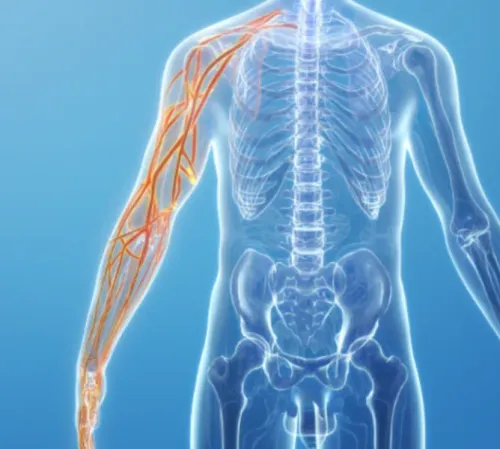
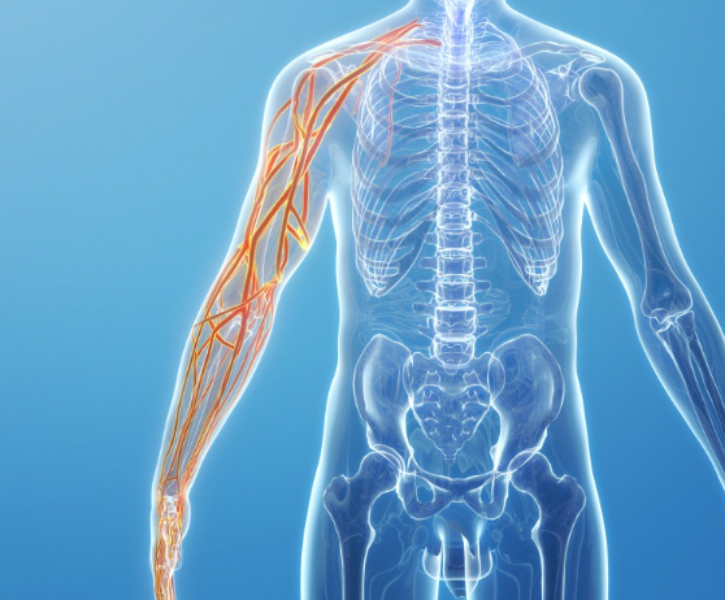
The brachial plexus is a group of nerves that originates from the spinal cord in the neck and extends through the shoulder into the arm and hand. These nerves allow you to:
- Lift your arm
- Bend and straighten your elbow
- Move your wrist and fingers
- Feel touch, temperature, and pain
- Perform precise hand movements
Damage to these nerves can significantly affect everyday activities such as writing, dressing, eating, and driving.
Common Causes of Brachial Plexus Injuries
Brachial plexus injuries can occur in several situations, including:
- Road traffic accidents
- Motorcycle accidents
- Falls from height
- Sports injuries
- Industrial accidents
- Heavy traction injuries
- Birth-related nerve injuries in newborns
The severity depends on whether the nerves have been stretched, compressed, or torn.
Symptoms You Should Not Ignore
The symptoms vary depending on the extent of nerve damage.
Common signs include:
- Weakness in the shoulder or arm
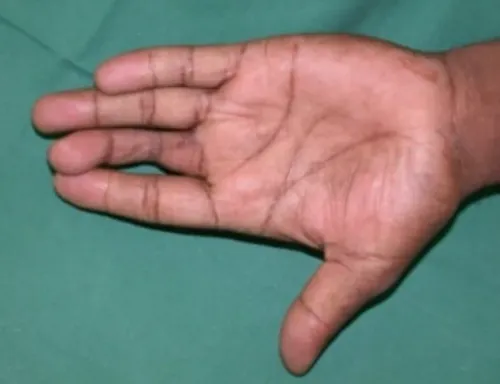
- Loss of hand grip
- Numbness or tingling
- Difficulty lifting the arm
- Burning or shooting pain
- Loss of muscle control
- Reduced sensation in the fingers
- Muscle wasting over time
These symptoms should never be ignored, especially after significant trauma.
How Is a Brachial Plexus Injury Diagnosed?
A detailed examination is the first step in determining the extent of the injury.
A specialist may recommend:
- Clinical neurological examination
- Muscle strength assessment
- Reflex testing
- MRI scans
- CT myelography in selected cases
- Electromyography (EMG)
- Nerve conduction studies
These investigations help determine whether the nerve is likely to recover naturally or requires surgical treatment.
Treatment Options
The treatment plan depends on the severity of the injury.
Non-Surgical Management
Minor nerve injuries may recover with:
- Physiotherapy
- Occupational therapy
- Pain management
- Regular neurological assessment
- Muscle strengthening exercises
Recovery can take several months, requiring patience and consistent rehabilitation.
Surgical Treatment
Severe injuries may require procedures such as:
- Nerve repair
- Nerve grafting
- Nerve transfers
- Microsurgery
- Tendon transfers in selected patients
The choice of procedure depends on the location and severity of nerve damage.
Why Early Treatment Matters
Nerves regenerate slowly, and muscles begin to weaken when they remain disconnected from nerve signals for an extended period.
Early evaluation offers several advantages:
- Better chances of nerve recovery
- Improved muscle preservation
- More treatment options
- Reduced permanent disability
- Better functional outcomes
Delaying treatment may limit the success of surgical reconstruction.
Rehabilitation Is Essential
Surgery alone is not enough to restore function.
A successful recovery usually involves:
- Guided physiotherapy
- Range-of-motion exercises
- Muscle strengthening
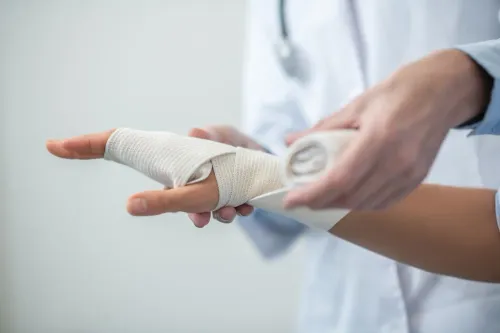
- Splinting when necessary
- Functional hand therapy
- Regular follow-up evaluations
Consistent rehabilitation helps patients regain as much movement and independence as possible.
Choosing the Right Specialist
Managing brachial plexus injuries requires expertise in nerve surgery, microsurgery, and upper limb reconstruction. Patients benefit from consulting specialists experienced in diagnosing complex nerve disorders and planning individualized treatment.
In Bangalore, patients with nerve injuries affecting the upper limb often seek evaluation from Dr. Kishan Rao, whose practice includes advanced hand surgery, nerve reconstruction, and microsurgical procedures. Educational resources available through handsurgeon.co.in also help patients understand different treatment options and expected recovery timelines.
Although brachial plexus injuries can be life-changing, advances in microsurgery, nerve reconstruction, and rehabilitation have significantly improved outcomes. Seeking timely specialist care gives patients the best opportunity to restore movement, improve function, and regain confidence in daily life.