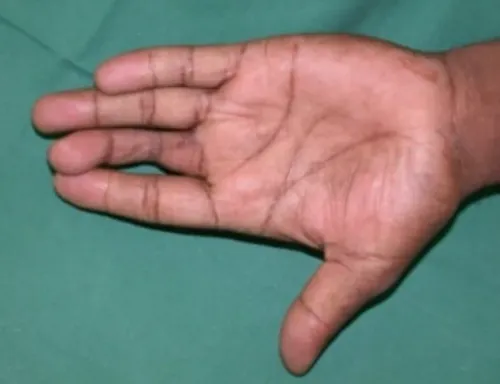

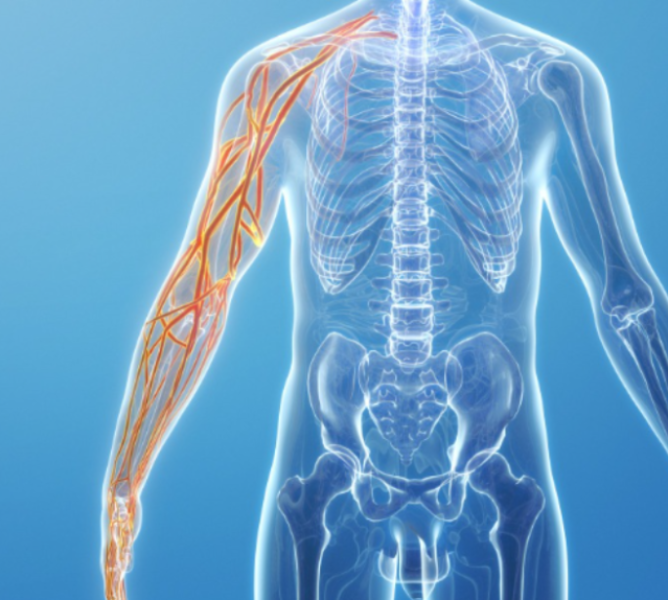
The brachial plexus is a network of nerves that carries signals between the spinal cord and the shoulder, arm, forearm, and hand. Injury to this network can produce weakness, numbness, loss of movement, pain, or major functional impairment.
Because these injuries can range from relatively mild nerve stretching to severe disruption, brachial plexus treatment in Bangalore requires careful assessment of the injury pattern and remaining nerve function.
Recognizing a Brachial Plexus Problem
Symptoms depend on which nerves have been affected and how severely.
Possible signs include
- Weakness in the shoulder or arm
- Difficulty bending or straightening the elbow
- Reduced wrist movement
- Loss of finger movement
- Numbness
- Burning or nerve-related pain
- Reduced grip
- Muscle wasting
- Significant loss of upper-limb function
Symptoms can occur after road traffic trauma, falls, traction injuries, or other major accidents. Brachial plexus problems can also occur in other clinical circumstances.
Why Timing Matters
Nerves recover differently from bones and skin. The location and severity of nerve injury influence the possibility and speed of recovery.
Some nerve injuries may show spontaneous improvement, while more severe injuries can require surgical reconstruction.
Waiting without structured follow-up may not be appropriate when a major nerve injury is suspected.
At the same time, treatment decisions should not be made without establishing which nerves are affected and whether signs of recovery are present.
What Should a Specialist Assessment Include?
Evaluation may involve a detailed examination of individual muscle groups rather than simply checking whether the arm can move.
The clinician may assess
- Shoulder movement
- Elbow function
- Wrist movement
- Finger movement
- Grip
- Sensation
- Reflexes
- Muscle wasting
- Pain pattern
The mechanism and date of injury are also highly important.
Investigations such as nerve conduction studies, electromyography, and imaging may be considered depending on the injury.
Surgical Planning Can Be Complex
When surgery is appropriate, the strategy depends on the available functioning nerves, the level of injury, the time since trauma, and the functions considered most important to restore.
Different reconstructive techniques may be considered in selected situations.
The objective is not simply to repair a nerve. Treatment planning prioritizes useful functions such as elbow movement, shoulder stability, wrist position, or hand function based on the individual injury.
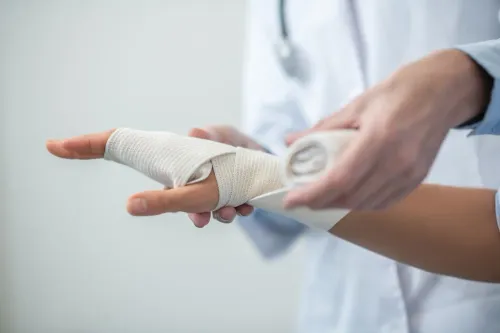
Rehabilitation Remains Essential
Recovery from a brachial plexus injury can be prolonged.
Rehabilitation may help
- Maintain joint mobility
- Reduce secondary stiffness
- Protect weak joints
- Preserve muscle condition where possible
- Retrain movement during recovery
- Adapt daily activities
Patients and families should be prepared for regular reassessment because changes in muscle function over time can influence management.
Choosing Appropriate Care
When selecting care for a brachial plexus injury, look for an evaluation that addresses the entire upper limb rather than only the painful area.
A useful consultation should provide clarity about
- Which nerves appear affected
- Severity of functional loss
- Evidence of nerve recovery
- Investigations required
- Whether surgery is being considered
- Timing of possible intervention
- Rehabilitation requirements
- Realistic functional goals
Dr. Kishan Rao evaluates complex hand and upper-limb nerve conditions in Bangalore with attention to the pattern of neurological loss and functional priorities.
For patients in Bangalore and elsewhere in Karnataka, significant weakness or loss of movement following an upper-limb injury warrants timely evaluation. Brachial plexus treatment is highly individualized, and establishing the location, severity, and timeline of the nerve injury is central to deciding the next step.