


Tingling fingers, numbness in the hand, and occasional wrist pain are symptoms many people experience at some point. These signs are often dismissed as fatigue from typing, using a smartphone, or sleeping in an awkward position. However, when the symptoms become frequent or begin affecting daily activities, they may indicate carpal tunnel syndrome, one of the most common nerve-related conditions affecting the hand.
Although temporary nerve compression and carpal tunnel syndrome can feel similar in the early stages, they are not the same. Understanding the differences helps patients seek the right treatment before permanent nerve damage develops. For individuals in Bangalore and throughout Karnataka, early evaluation by a hand and wrist specialist can make a significant difference in recovery.
What Is Carpal Tunnel Syndrome?
Carpal tunnel syndrome occurs when the median nerve becomes compressed as it passes through the carpal tunnel, a narrow passage in the wrist formed by bones and ligaments.
The median nerve controls sensation in the thumb, index finger, middle finger, and part of the ring finger. It also powers several muscles responsible for fine hand movements.
When pressure builds within the tunnel, the nerve becomes irritated, leading to gradually worsening symptoms.
What Causes Carpal Tunnel Syndrome?
Several factors can contribute to increased pressure on the median nerve.
Common causes include:
- Repetitive hand movements
- Prolonged computer use
- Wrist injuries
- Diabetes
- Thyroid disorders
- Arthritis
- Pregnancy-related swelling
- Previous wrist fractures
In many cases, multiple factors combine to produce symptoms rather than a single identifiable cause.
Temporary Nerve Compression vs. Carpal Tunnel Syndrome
Not every episode of hand numbness means you have carpal tunnel syndrome.
Temporary nerve compression often:
- Happens after sleeping on the arm
- Resolves within minutes
- Occurs infrequently
- Does not affect hand strength
- Improves after changing position
Carpal tunnel syndrome typically:
- Returns repeatedly
- Worsens over weeks or months
- Often disturbs sleep
- Causes persistent numbness
- May reduce grip strength
- Can make fine tasks difficult
The persistence and progression of symptoms are key differences.
Common Symptoms of Carpal Tunnel Syndrome
Patients frequently report:
- Tingling in the thumb, index, and middle fingers
- Numbness while driving
- Hand discomfort during computer work
- Night-time hand pain
- Weak grip strength
- Difficulty holding small objects
- Frequent dropping of items
- Burning sensation in the fingers
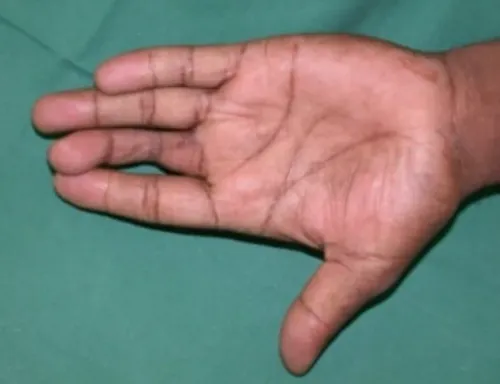
In advanced cases, muscle wasting near the thumb may occur if treatment is delayed.
How Is the Condition Diagnosed?
A specialist evaluates both symptoms and hand function.
The assessment may include:
- Detailed medical history
- Physical examination
- Grip strength testing
- Sensory assessment
- Wrist movement evaluation
- Nerve conduction studies when appropriate
These tests help confirm whether symptoms arise from carpal tunnel syndrome or another condition affecting the neck, shoulder, or nerves.
Treatment Options
Treatment depends on symptom severity and the duration of nerve compression.
Early-Stage Management
Many patients improve with conservative care such as:
- Wrist splints worn at night
- Activity modification
- Anti-inflammatory medication
- Ergonomic workplace adjustments
- Hand therapy exercises
These measures are often effective when symptoms are recognised early.
When Surgery May Be Needed
If numbness persists despite conservative treatment or muscle weakness develops, surgery may be recommended.
Carpal tunnel release surgery involves relieving pressure on the median nerve by dividing the ligament forming the roof of the tunnel.
The goal is to restore nerve function and prevent permanent damage.
Can Carpal Tunnel Syndrome Be Prevented?
While prevention is not always possible, healthy habits reduce the likelihood of developing symptoms.
Helpful strategies include:
- Maintaining proper wrist posture while typing
- Taking regular breaks from repetitive work
- Stretching hand and forearm muscles
- Using ergonomically designed workstations
- Avoiding prolonged wrist flexion
Early attention to recurring symptoms is one of the most effective preventive measures.
When Should You Consult a Specialist?
Persistent tingling, frequent night pain, reduced grip strength, or numbness lasting beyond a few weeks should never be ignored.
Patients in Bangalore commonly seek evaluation from Dr. Kishan Rao for nerve compression disorders affecting the hand and wrist. Through handsurgeon.co.in, patients can also learn more about symptoms, diagnostic methods, and treatment options before scheduling a consultation.
Carpal tunnel syndrome often begins with mild symptoms that are easy to overlook. Recognising the warning signs early allows timely treatment, reduces the risk of permanent nerve injury, and helps restore comfortable hand function before everyday activities become increasingly difficult.