
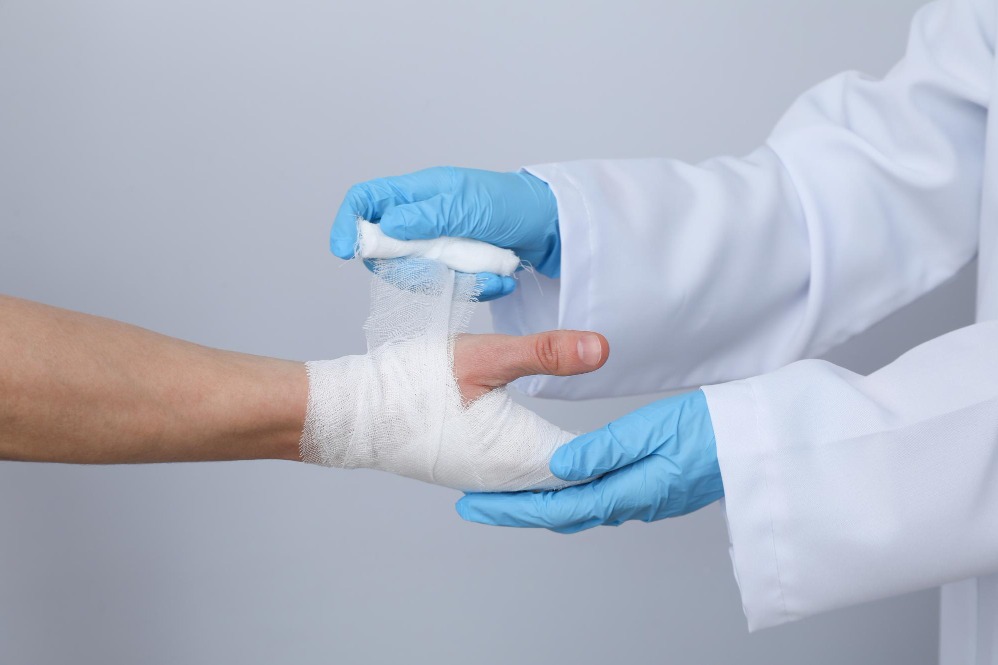
Hand injuries can affect far more than comfort. Even a relatively small injury may interfere with grip, finger movement, writing, typing, lifting objects, driving, cooking, sports, or other everyday activities. Because the hand contains closely arranged bones, joints, tendons, nerves, ligaments, blood vessels, and soft tissues, identifying exactly what has been injured is an important part of treatment.
For people looking for hand injury treatment in Bangalore, early assessment can help determine whether an injury is likely to settle with conservative care or requires more specialized management.
Hand Injuries Can Take Many Forms
A hand injury may occur after a fall, sports accident, workplace incident, road traffic accident, cut, crush injury, or direct impact. The visible appearance does not always indicate the extent of internal damage.
Common injuries include
- Fractures involving the fingers, thumb, or hand bones
- Joint dislocations
- Tendon injuries
- Ligament damage
- Nerve injuries
- Deep cuts
- Crush injuries
- Fingertip injuries
- Nail-bed injuries
- Complex injuries involving several structures
A person may still be able to move an injured finger despite a fracture. Similarly, swelling after an apparently minor accident may sometimes be associated with ligament or joint damage.
Symptoms That Deserve Closer Attention
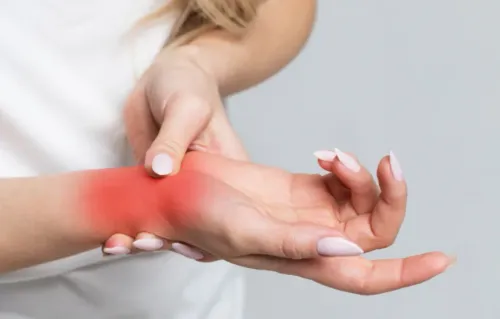
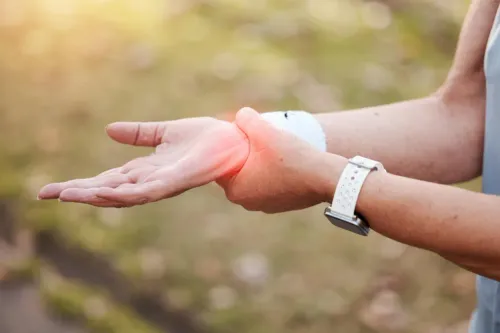
Pain immediately after an injury is common. What matters is how the hand looks and functions as the swelling develops.
Specialist assessment becomes particularly important when there is
- Persistent or severe pain
- Significant swelling
- Visible deformity
- Difficulty bending or straightening a finger
- Reduced grip strength
- Numbness or tingling
- A deep wound
- A finger appearing unusually pale or cold
- Loss of normal hand function
- Ongoing symptoms after initial treatment
An open wound associated with a suspected fracture also needs careful evaluation because the injury may involve deeper tissues.
Why Diagnosis Matters
Treatment depends on the structure involved. A fracture, tendon rupture, ligament injury, nerve injury, and joint dislocation cannot automatically be managed in the same way.
Clinical examination usually assesses tenderness, alignment, stability, movement, sensation, circulation, and tendon function. Depending on the suspected injury, imaging may also be required.
X-rays are commonly used when a fracture or dislocation is suspected. Certain soft-tissue injuries may require additional imaging based on clinical findings.
The purpose of assessment is not simply to identify damage. It also helps determine whether the injured structure is stable and whether normal function can be restored without surgery.
Does Every Hand Injury Require Surgery?
No. Many stable injuries can be managed without an operation.
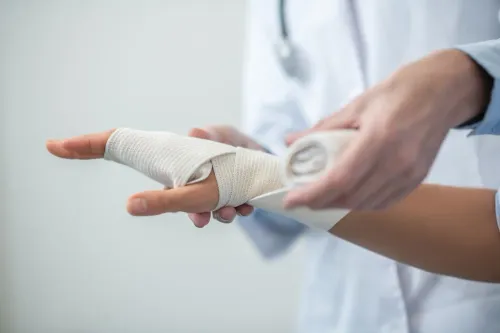
Treatment may include appropriate immobilization, activity modification, medication when indicated, wound management, and rehabilitation. The exact approach depends on the injury.
Surgery may be considered when there is significant displacement, instability, tendon disruption, nerve damage, complex joint involvement, or another problem that is unlikely to recover adequately with conservative treatment.
The decision should therefore be based on the specific injury rather than pain intensity alone.
Rehabilitation Is Part of Recovery
After some hand injuries, prolonged stiffness can become an important concern. Recovery involves more than waiting for a bone or wound to heal.
Depending on the condition, rehabilitation may focus on
- Restoring movement
- Reducing stiffness
- Improving grip
- Regaining coordination
- Protecting repaired structures
- Gradually returning to work or sport
The timing of movement matters because beginning too early can stress certain injuries, while unnecessary immobilization may contribute to stiffness.
For patients in Bangalore and surrounding areas of Karnataka, access to focused hand care can be particularly useful when an injury affects several structures or continues to limit function after initial treatment.
Dr. Kishan Rao evaluates hand injuries with attention to both structural damage and functional recovery. The aim of specialist assessment is to identify what has been injured and select treatment appropriate to the individual problem.
A hand injury that remains painful, weak, numb, stiff, or difficult to move should not be judged only by how it looks externally. Accurate diagnosis provides a clearer basis for protecting long-term hand function.