
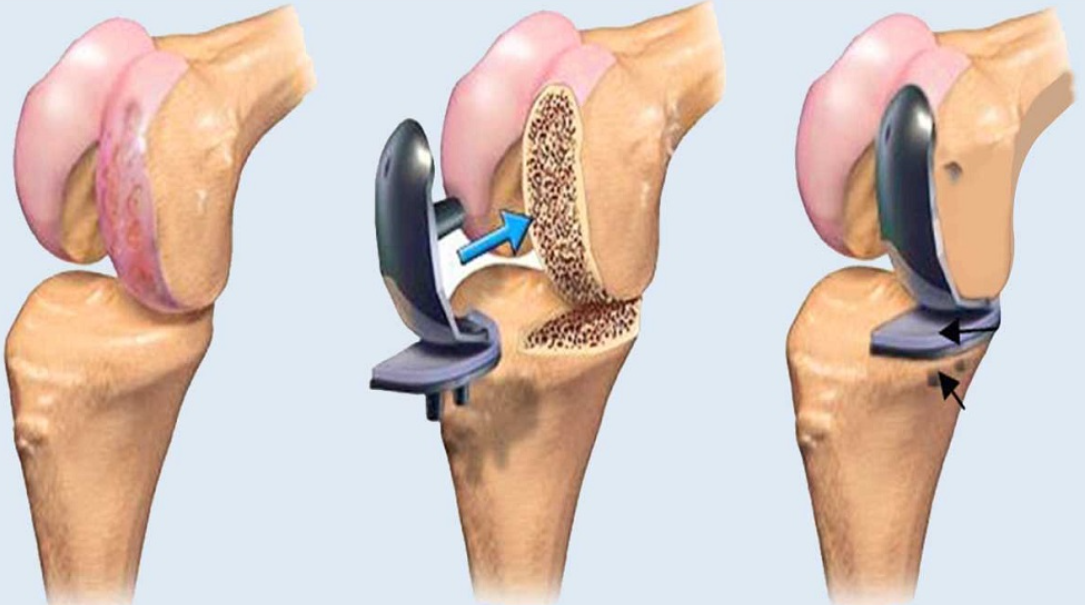
Joint replacement is commonly associated with the hip or knee, but selected joints in the hand and upper limb may also become sufficiently damaged to cause persistent pain, stiffness, deformity, and loss of function.
For patients exploring joint replacement surgery in Bangalore for an upper-limb problem, the decision involves more than looking at an X-ray. Symptoms, joint stability, functional needs, age, occupation, and the condition of surrounding tissues all influence treatment planning.
Why Do Upper-Limb Joints Become Damaged?
Joint surfaces are designed to move smoothly. When cartilage and other joint structures deteriorate, movement can become painful.
Possible causes include
- Degenerative arthritis
- Inflammatory arthritis
- Previous fractures
- Long-standing joint instability
- Post-traumatic joint damage
- Certain deformities
The resulting symptoms can interfere with gripping, pinching, lifting, dressing, writing, cooking, personal care, and occupational tasks.
When Should Surgery Be Considered?
Joint replacement is generally not the starting point for every painful joint.
Treatment decisions often consider whether appropriate conservative measures have provided sufficient benefit.
Surgery may become relevant when pain and functional restriction remain substantial despite suitable non-operative treatment.
The important question is not simply, Does the X-ray show arthritis?
A more useful question is, How much is this joint problem affecting daily function?
Replacement Is Not Suitable for Every Joint Problem
Different joints have different mechanical requirements.
A treatment that works well for one joint may not be appropriate for another. In some situations, another surgical procedure may provide a more suitable solution than replacement.
The decision can depend on
- Which joint is involved
- Bone quality
- Ligament stability
- Tendon function
- Degree of deformity
- Patient activity level
- Occupational requirements
- Previous surgery
- Expected functional demands
This is why individualized evaluation matters.
What Should Patients Expect From Assessment?
A consultation usually includes a discussion of pain, stiffness, previous treatment, occupation, hobbies, dominant hand, and the activities the patient most wants to regain.
Clinical examination can assess joint movement, stability, deformity, strength, and nearby structures.
Imaging helps show the extent and pattern of joint damage.
Together, these findings allow the potential benefits and limitations of surgical options to be discussed realistically.
Recovery Requires Participation
Surgery is only one stage of treatment.
Postoperative protection and rehabilitation may be necessary to help restore useful movement while protecting healing tissues.
Recovery can involve
- Temporary immobilization
- Wound monitoring
- Gradual movement
- Hand therapy
- Strengthening at an appropriate stage
- Activity modification during healing
Patients should understand these requirements before deciding on surgery.
Choosing Care Based on Function
Someone performing heavy manual work may have different priorities from a person whose primary concern is fine finger movement. Similarly, a patient's expectations for sport, hobbies, household activities, or professional work can affect treatment selection.
For patients in Bangalore, Karnataka, discussing these practical requirements is particularly important before upper-limb joint surgery.
Dr. Kishan Rao assesses joint conditions with attention to the relationship between structural damage and everyday hand function. Where joint replacement is being considered, the evaluation includes whether replacement is suitable for the specific joint and the patient's functional requirements.
Joint replacement surgery should therefore be viewed as a carefully selected treatment rather than a standard solution for every arthritic joint. A well-planned decision starts with identifying the source of pain, understanding the degree of functional loss, and determining which treatment can reasonably address the individual problem.