
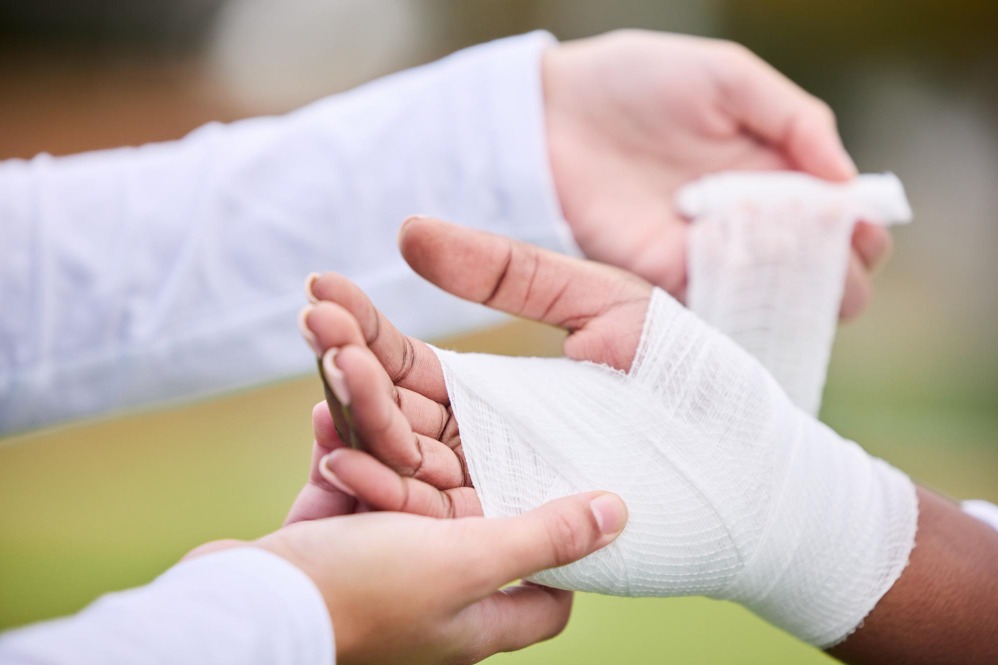
A serious injury to the hand can affect much more than movement. It can make everyday tasks such as writing, cooking, typing, driving, or even buttoning a shirt difficult. In many cases, injuries involve more than just the skin or bones. Tendons, nerves, blood vessels, and muscles can also be damaged, requiring advanced treatment techniques to restore normal function. This is where microsurgery plays a vital role.
Microsurgery is a specialized surgical procedure performed using high-powered operating microscopes and precision instruments. It enables surgeons to repair tiny nerves, blood vessels, and soft tissues that cannot be treated effectively with conventional surgical methods. For patients in Bangalore and across Karnataka, access to experienced microsurgical care can significantly improve recovery after complex hand injuries.
What Is Microsurgery?
Microsurgery is a highly precise branch of surgery that focuses on repairing structures measuring only a few millimeters in diameter. Surgeons use magnification and specialized tools to reconnect delicate tissues with exceptional accuracy.
In hand surgery, microsurgery is commonly performed to repair:
- Severed nerves
- Damaged tendons
- Injured blood vessels
- Crushed fingers
- Traumatic hand injuries
- Amputated fingers or thumbs
- Complex soft tissue defects
The primary objective is to restore circulation, sensation, movement, and overall hand function.
When Is Microsurgery Recommended?
Not every hand injury requires microsurgery. However, it becomes essential when critical structures are affected.
A specialist may recommend microsurgery if you experience:
- Deep cuts involving tendons or nerves
- Finger amputations caused by workplace accidents
- Severe crush injuries
- Industrial or machinery-related trauma
- Multiple tissue injuries in the hand
- Loss of sensation after an accident
- Injuries affecting blood flow to the fingers
Early evaluation is important because delayed treatment can reduce the chances of successful recovery.
Common Situations That Require Microsurgical Repair
Certain injuries frequently require this advanced approach.
Finger Amputations
If a finger has been completely or partially amputated, microsurgery can reconnect arteries, veins, nerves, tendons, and bones. In many cases, timely surgery offers the possibility of saving the injured finger.
Nerve Injuries
Hand nerves control sensation and fine motor movements. Without proper repair, patients may experience permanent numbness, weakness, or poor coordination.
Tendon Injuries
Flexor and extensor tendons help bend and straighten the fingers. Microsurgical techniques help restore precise movement while reducing complications during healing.
Blood Vessel Damage
Healthy circulation is essential for tissue survival. Tiny blood vessels must often be repaired to restore blood supply following trauma.
Benefits of Microsurgery
Modern microsurgical techniques provide several important advantages.
Some of the key benefits include:
- Better preservation of hand function
- Improved finger movement
- Restoration of sensation
- Greater chance of saving injured fingers
- Enhanced healing of damaged tissues
- Reduced long-term disability
- Better cosmetic appearance after reconstruction
Although recovery varies depending on the severity of the injury, many patients regain excellent functional outcomes with timely treatment.
What Happens During Recovery?
Recovery following microsurgery is carefully planned and usually involves several stages.
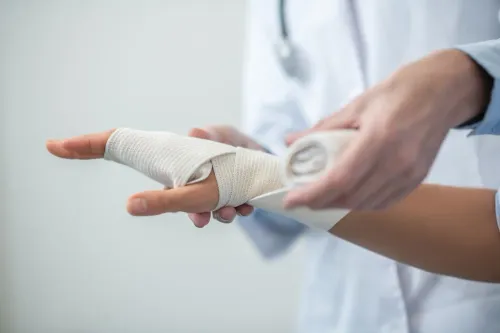
Initially, protecting the repaired tissues is the highest priority. Splints or protective dressings may be used to prevent unnecessary movement.
As healing progresses, supervised rehabilitation becomes increasingly important.
Recovery often includes:
- Hand therapy
- Range-of-motion exercises
- Strength-building activities
- Scar management
- Sensory re-education
- Functional rehabilitation
Patients who actively participate in rehabilitation generally achieve better long-term results.
Why Timing Matters
One of the biggest factors influencing success is how quickly treatment begins.
After major trauma, delays can increase the risk of:
- Permanent nerve damage
- Tissue death
- Infection
- Joint stiffness
- Reduced finger mobility
- Poor functional recovery
Anyone experiencing severe hand trauma should seek immediate medical attention instead of waiting for symptoms to improve on their own.
Choosing the Right Hand Surgeon
Microsurgery requires extensive training, specialized equipment, and significant surgical experience. Selecting a surgeon who regularly manages complex hand injuries can make a meaningful difference in both recovery and long-term function.
Patients should look for:
- Experience in hand and wrist surgery
- Expertise in microsurgical reconstruction
- Access to advanced operating facilities
- Comprehensive rehabilitation planning
- Individualized treatment recommendations
In Bangalore, many patients are referred to specialists like Dr. Kishan Rao, who focuses on hand, wrist, and microsurgical procedures. Information about available treatments, patient education resources, and consultation details can also be found through handsurgeon.co.in, helping patients better understand their options before beginning treatment.
The hand is one of the body's most complex structures, and preserving its function requires specialized care. Microsurgery offers remarkable possibilities for restoring movement, sensation, and independence after serious injuries. When performed promptly and followed by dedicated rehabilitation, it can significantly improve quality of life and help patients return to their daily routines with greater confidence.