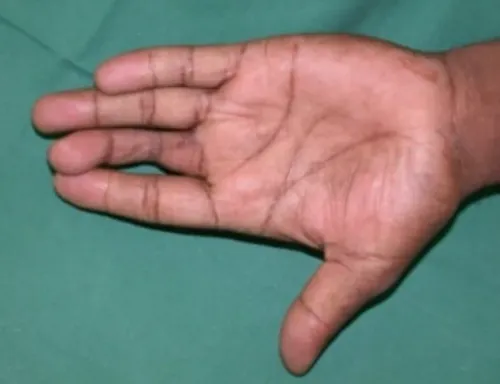

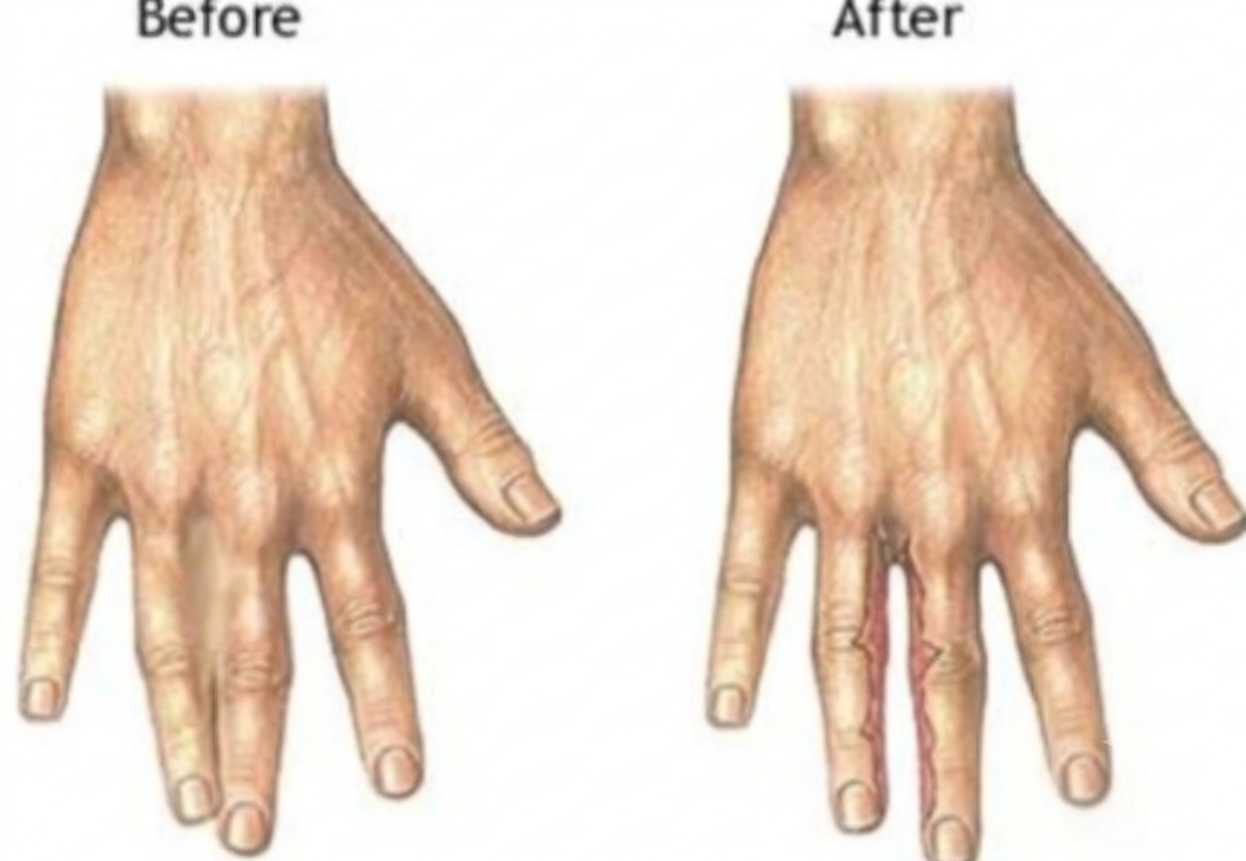
Syndactyly occurs when two or more fingers are joined at birth. The connection may involve skin alone or include deeper structures depending on the type of syndactyly. Parents considering syndactyly surgery in Bangalore often have practical questions about timing, surgical planning, healing, and future hand function.
The answers depend heavily on the child's individual anatomy.
Understanding the Type of Syndactyly
Syndactyly can differ in several ways.
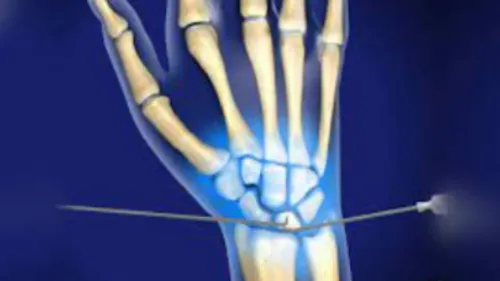
In some children, the fingers are joined only by skin and soft tissue. In others, bones or other deeper structures may also be involved.
The connection may extend along only part of the fingers or continue toward the fingertips.
Before surgery is planned, assessment aims to understand the exact anatomy and determine how the joined digits may affect growth and function.
Why Can Finger Separation Be Recommended?
The fingers need enough independent movement to perform increasingly complex tasks as a child develops.
When joined fingers differ significantly in length, growth can also place abnormal forces on the digits.
Surgery may therefore be recommended to support independent finger development, improve function, address growth-related concerns, or improve hand form where appropriate.
Not every case follows an identical surgical plan.
How Is Timing Decided?
Parents frequently ask for the ideal age for syndactyly correction.
There is no universal timing that applies to every child. The fingers involved, complexity of the syndactyly, differences in finger length, underlying structures, and the child's overall health can influence planning.
Certain situations may warrant earlier intervention, while others can be managed at a different stage of childhood.
A hand surgeon can explain why a particular timeline is being considered after examining the child's hand.
What Does Surgical Planning Involve?
Separating joined fingers requires more than simply dividing the skin between them.
The surgeon must create adequate skin coverage while protecting important structures. Depending on the anatomy, local skin flaps and additional skin coverage may be required.
Complex syndactyly may involve additional surgical considerations because bones, nails, tendons, or other structures can be affected.
This makes preoperative assessment particularly important.
What Happens During Recovery?
The operated hand generally requires protection while tissues heal.
Parents may receive instructions regarding
- Dressing care
- Keeping the operated area protected
- Monitoring circulation
- Watching for unusual swelling
- Follow-up appointments
- Movement after the appropriate healing period
The specific postoperative plan depends on the procedure performed.
Children may need time to become comfortable using the separated fingers independently.
What Should Parents Ask During Consultation?
A useful consultation should help parents understand the child's specific condition rather than only the name of the procedure.
Questions may include
- Which structures are involved?
- Is the syndactyly simple or complex?
- Why is surgery being recommended?
- What timing is appropriate?
- Will additional skin coverage be required?
- How will the hand be protected after surgery?
- Could further treatment be required as the child grows?
Clear answers can help families develop realistic expectations.
Long-Term Follow-Up Matters
The child's hand continues to grow after surgery. Follow-up allows finger growth, movement, scar development, and overall function to be assessed over time.
Some children may require additional management depending on the original complexity of the condition and how the hand develops.
Dr. Kishan Rao provides evaluation for congenital hand conditions in Bangalore, with surgical planning based on the individual anatomy and functional requirements of the child.
For families in Bangalore and across Karnataka, choosing syndactyly treatment should begin with understanding the specific type of finger connection. The objective is not simply separation. Careful planning considers growth, movement, skin coverage, function, and the long-term development of the child's hand.