

Pain on the little finger side of the wrist is often dismissed as a simple sprain, especially after a fall or repetitive activity. However, persistent discomfort in this area may indicate a TFCC injury, a condition that affects one of the most important stabilizing structures of the wrist. Without timely diagnosis and appropriate treatment, a TFCC tear can lead to ongoing pain, weakness, and reduced wrist function.
Understanding this condition helps patients recognize when specialist care may be necessary, particularly if symptoms continue despite rest or medication. For people in Bangalore and across Karnataka, early evaluation by a hand and wrist specialist can improve treatment outcomes and reduce the likelihood of chronic instability.
What Is the TFCC?
The Triangular Fibrocartilage Complex, commonly known as the TFCC, is a group of cartilage and ligaments located on the outer side of the wrist near the little finger.
Its main functions include:
- Stabilizing the wrist joint
- Supporting rotational movements
- Absorbing shock during gripping activities
- Allowing smooth movement between the forearm bones and wrist
Damage to this structure can significantly affect everyday activities, especially those involving twisting or lifting.
How Does a TFCC Injury Occur?
TFCC injuries can develop suddenly after trauma or gradually due to repetitive stress.
Common causes include:
- Falling onto an outstretched hand
- Sports injuries
- Heavy lifting
- Repetitive wrist rotation
- Workplace strain
- Degenerative changes with age
Athletes, mechanics, construction workers, and individuals performing repetitive manual tasks are often at higher risk.
Symptoms of a TFCC Injury
The symptoms may vary depending on the severity of the tear.
Typical signs include:
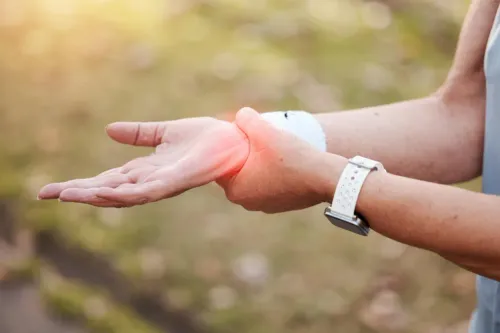
- Pain on the outer side of the wrist
- Clicking or popping during movement
- Weak grip strength
- Difficulty turning door handles
- Pain while lifting objects
- Wrist instability
- Swelling around the joint
- Reduced range of motion
These symptoms may worsen during activities that involve twisting the wrist or bearing weight through the hand.
How Is a TFCC Injury Diagnosed?
Diagnosis begins with a detailed clinical examination.
A specialist may assess:
- Wrist movement
- Tenderness over the TFCC region
- Grip strength
- Joint stability
- Pain during specific wrist movements
Imaging studies such as MRI may provide additional information, while wrist arthroscopy remains the most accurate method for confirming certain TFCC injuries.
Treatment Options
Treatment depends on the type and severity of the injury.
Non-Surgical Care
Many patients improve with conservative treatment, including:
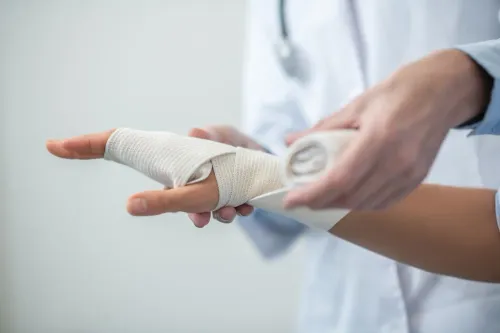
- Wrist splinting
- Activity modification
- Anti-inflammatory medication
- Physiotherapy
- Gradual strengthening exercises
These approaches are often suitable for minor or stable injuries.
Surgical Treatment
If symptoms persist despite conservative management or if the wrist remains unstable, surgery may be recommended.
Depending on the injury, treatment may involve:
- Arthroscopic repair
- Arthroscopic debridement
- Ligament reconstruction
- Stabilization procedures
Minimally invasive arthroscopic techniques often allow precise treatment while minimizing disruption to surrounding tissues.
Recovery After Treatment
Recovery timelines vary depending on the extent of the injury and the chosen treatment.
Rehabilitation usually includes:
- Temporary wrist protection.
- Gentle mobility exercises.
- Progressive strengthening.
- Grip training.
- Functional rehabilitation for work or sports.
Following the rehabilitation programme consistently is essential for restoring stability and preventing recurrence.
Can a TFCC Injury Be Prevented?
Although accidents cannot always be avoided, certain habits reduce the risk of wrist injuries.
Helpful preventive measures include:
- Using proper lifting techniques
- Wearing protective gear during sports
- Strengthening forearm muscles
- Taking breaks during repetitive work
- Addressing wrist pain before it becomes chronic
Ignoring persistent wrist discomfort can allow small tears to progress into more complex problems.
When Should You See a Specialist?
Seek medical evaluation if wrist pain continues for several weeks, if clicking or instability develops, or if gripping everyday objects becomes difficult. Early diagnosis can prevent long-term joint damage and improve the chances of successful treatment.
Patients in Bangalore frequently seek expert assessment from Dr. Kishan Rao for TFCC injuries and other complex hand and wrist conditions. Through handsurgeon.co.in, patients can also access educational resources that explain various treatment options and help them understand when specialist consultation may be appropriate.
A TFCC injury may seem like a minor wrist problem initially, but untreated damage can affect hand strength, stability, and overall quality of life. Recognizing the symptoms early and receiving appropriate treatment gives patients the best opportunity to regain comfortable wrist movement and return to daily activities without ongoing pain.