

Our hands perform hundreds of tasks every day without much thought. From working on a computer and preparing meals to lifting objects and driving, healthy hands are essential for maintaining independence. Unfortunately, many people dismiss hand injuries as minor problems, assuming the pain or swelling will disappear with time. While some injuries heal with simple care, others require prompt medical evaluation to prevent long-term complications.
Recognizing the warning signs early can make a significant difference in recovery. For people living in Bangalore and throughout Karnataka, understanding when to seek specialist care helps reduce the risk of permanent stiffness, weakness, or loss of hand function.
Why Hand Injuries Should Be Taken Seriously
The hand is made up of a complex network of bones, joints, tendons, ligaments, nerves, muscles, and blood vessels. Damage to any one of these structures can affect grip strength, flexibility, and fine motor skills.
Even injuries that appear minor on the surface may involve deeper tissue damage that is not immediately obvious. Delayed diagnosis often leads to prolonged pain, reduced mobility, and more complicated treatment later.
Common Causes of Hand Injuries
Hand injuries occur in a variety of situations.
Some of the most common causes include:
- Workplace accidents
- Falls
- Sports injuries
- Road traffic accidents
- Kitchen accidents
- Machinery-related trauma
- Crush injuries
- Glass cuts
- Heavy object impact
Each type of injury affects the hand differently, making accurate diagnosis essential.
Symptoms That Should Never Be Ignored
Certain warning signs indicate that a hand injury needs professional assessment.
Watch for symptoms such as:
- Persistent swelling
- Severe pain
- Difficulty moving fingers
- Inability to grip objects
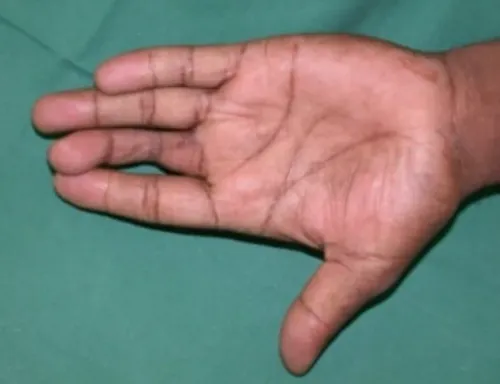
- Finger deformity
- Numbness or tingling
- Open wounds
- Uncontrolled bleeding
- Fingers turning pale or bluish
- Loss of sensation
Ignoring these symptoms can result in permanent functional limitations.
Different Types of Hand Injuries
Hand injuries vary in severity depending on the structures involved.
Fractures
Broken bones in the fingers, palm, or wrist can occur after falls or direct trauma. Proper alignment is necessary for normal healing.
Tendon Injuries
Tendon damage may prevent fingers from bending or straightening properly. Early repair often produces the best outcomes.
Ligament Injuries
Sprains and ligament tears can cause joint instability and persistent pain if left untreated.
Nerve Injuries
Damage to hand nerves may cause numbness, burning sensations, or muscle weakness.
Crush Injuries
Heavy machinery or industrial accidents may injure multiple structures simultaneously, often requiring specialized treatment.
Immediate First Aid After a Hand Injury
The first few minutes after an injury are important.
Consider these immediate steps:
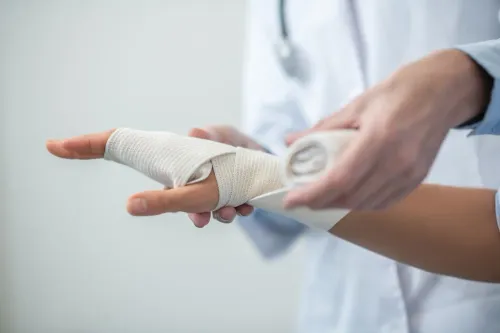
- Stop any bleeding with gentle pressure.
- Keep the injured hand elevated.
- Apply a cold pack wrapped in cloth.
- Avoid forcing finger movement.
- Remove rings if swelling begins.
- Seek medical evaluation for severe pain or deformity.
Avoid attempting to straighten broken fingers or manipulate injured joints yourself.
When Should You Visit a Specialist?
Medical evaluation should not be delayed if:
- Pain continues beyond a day or two.
- Fingers cannot move normally.
- There is visible deformity.
- The injury occurred during an industrial accident.
- Numbness develops.
- Swelling continues to increase.
- Cuts expose deeper tissues.
- Grip strength becomes weak.
Specialized assessment allows accurate diagnosis using clinical examination and imaging when necessary.
Preventing Long-Term Hand Problems
Many complications develop because treatment is delayed rather than because the original injury was severe.
Early management helps reduce the risk of:
- Permanent stiffness
- Chronic pain
- Weak grip strength
- Arthritis
- Loss of finger motion
- Nerve damage
- Functional disability
Following rehabilitation exercises after treatment is equally important for restoring normal hand movement.
Getting the Right Care
Hand injuries often require expertise beyond routine fracture care. Surgeons who specialize in hand and wrist conditions understand the intricate anatomy involved and can recommend the most appropriate treatment based on the type and severity of the injury.
Patients in Bangalore frequently consult specialists such as Dr. Kishan Rao for the evaluation of fractures, tendon injuries, nerve damage, and other complex hand conditions. Additional educational resources about hand and wrist disorders are available through handsurgeon.co.in, helping patients make informed decisions about their care.
Although many hand injuries may seem minor initially, early diagnosis and appropriate treatment can prevent lasting complications. Paying attention to warning signs and seeking timely specialist evaluation gives patients the best opportunity to recover strength, mobility, and confidence in using their hands for everyday activities.