

Painful hand joints can gradually make everyday activities difficult. Tasks that once seemed effortless—holding a pen, turning a key, opening jars, buttoning clothes, or preparing meals—may become uncomfortable or even impossible. While medications, splints, and physiotherapy help many people manage joint pain, there are situations where these treatments no longer provide adequate relief. In such cases, Joint Replacement Surgery may be considered to restore comfort and improve hand function.
For patients in Bangalore and across Karnataka, understanding when joint replacement is appropriate can help them make informed decisions and seek treatment before severe joint damage affects their quality of life.
What Is Joint Replacement Surgery for the Hand?
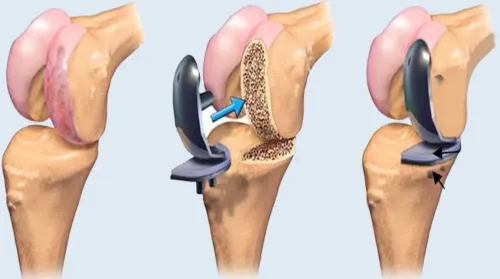
Joint replacement surgery involves removing a damaged joint and replacing it with an artificial implant designed to restore movement and reduce pain. Unlike larger joint replacements performed on the hip or knee, hand joint replacement focuses on preserving fine movements that are essential for daily activities.
The procedure is commonly performed for selected joints in the fingers, thumb, and wrist depending on the underlying condition.
The primary goals are to:
- Reduce chronic pain
- Improve hand function
- Increase joint mobility
- Correct deformity
- Enhance quality of life
The type of implant and surgical technique varies according to the affected joint and the patient's activity level.
Conditions That May Require Joint Replacement
Joint replacement is generally considered when conservative treatment has failed.
Common conditions include:
- Osteoarthritis
- Rheumatoid arthritis
- Post-traumatic arthritis
- Joint degeneration after fractures
- Severe cartilage damage
- Painful joint deformities
Not every patient with arthritis requires surgery. A detailed assessment helps determine the most suitable treatment option.
Signs That It May Be Time to Consider Surgery
Certain symptoms suggest that non-surgical treatment may no longer be enough.
These include:
- Persistent joint pain despite medication
- Difficulty performing routine tasks
- Loss of grip strength
- Visible finger deformity
- Joint stiffness affecting daily life
- Pain disturbing sleep
- Reduced hand function over several months
When these symptoms significantly impact independence, surgical evaluation becomes worthwhile.
What Happens Before Surgery?
A specialist carefully evaluates the affected joint before recommending surgery.
The assessment may include:
- Clinical examination
- X-rays
- Review of previous treatments
- Functional assessment
- Discussion of activity levels and expectations
This process ensures that surgery is recommended only when it is likely to provide meaningful improvement.
Benefits of Joint Replacement Surgery
For suitable candidates, the procedure offers several potential advantages.
These include:
- Significant pain relief
- Better joint movement
- Improved hand function
- Greater ease with daily activities
- Enhanced grip for selected tasks
- Better overall quality of life
Although artificial joints cannot completely replicate natural joints, many patients experience substantial functional improvement.
Recovery After Joint Replacement
Recovery involves both healing and rehabilitation.
Most patients follow a structured programme that includes:
- Protecting the operated joint.
- Managing swelling.
- Gentle movement exercises.
- Progressive strengthening.
- Hand therapy to restore function.
- Gradual return to routine activities.
The duration of recovery depends on the specific joint treated and the individual's healing response.
Can Surgery Be Delayed?
Some patients postpone surgery because they hope symptoms will improve naturally. However, delaying treatment despite worsening joint damage may reduce available treatment options and allow deformities to progress.
Early specialist assessment helps determine whether continued conservative management is appropriate or whether surgery would offer better long-term results.
Choosing the Right Hand Surgeon
Joint replacement in the hand requires specialized knowledge of small joints, tendon balance, and precise surgical techniques. Selecting a surgeon experienced in hand reconstruction contributes to better functional outcomes.
Patients in Bangalore frequently consult Dr. Kishan Rao for the management of arthritis, complex hand conditions, and reconstructive procedures. Through handsurgeon.co.in, patients can also access educational resources explaining different treatment approaches and what to expect before and after surgery.
Joint replacement surgery is not simply about replacing a damaged joint—it is about restoring independence, reducing pain, and improving the ability to perform everyday tasks. With proper patient selection, modern surgical techniques, and dedicated rehabilitation, many individuals regain confidence in using their hands comfortably again.