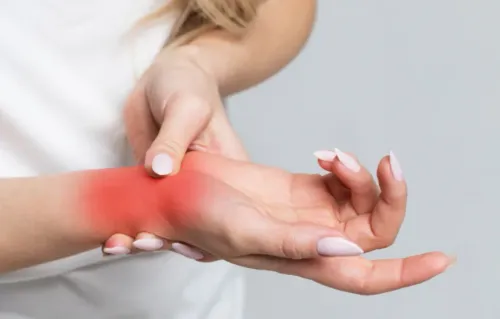

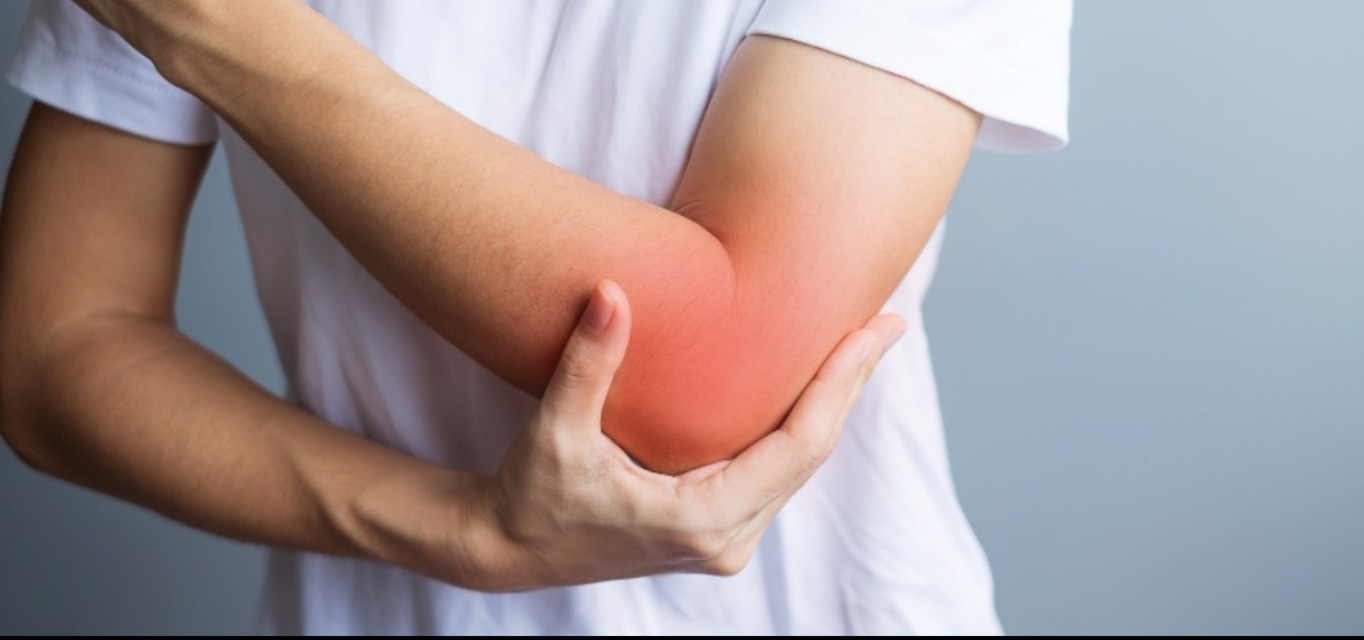
Pain on the outer side of the elbow is commonly associated with tennis players, but the condition affects far more office workers, homemakers, mechanics, carpenters, gym enthusiasts, and manual labourers than professional athletes. Most cases improve with rest, physiotherapy, and activity modification. However, when symptoms continue for several months despite conservative treatment, the condition is often referred to as resistant tennis elbow.
Persistent elbow pain can interfere with simple tasks such as lifting a kettle, carrying shopping bags, shaking hands, or using a computer mouse. Understanding why recovery sometimes stalls helps patients make informed decisions about further evaluation and treatment. For people living in Bangalore and across Karnataka, early specialist assessment can prevent prolonged disability.
What Is Tennis Elbow?
Tennis elbow, medically known as lateral epicondylitis, is a condition involving degeneration of the tendons that attach to the outer part of the elbow.
Rather than being caused by a sudden injury, it usually develops due to repetitive strain and overuse.
Activities commonly associated with tennis elbow include:
- Computer work
- Painting
- Gardening
- Racquet sports
- Weightlifting
- Plumbing
- Carpentry
- Frequent lifting
The repeated stress gradually weakens tendon fibres, resulting in pain and reduced function.
Why Does It Become Resistant?
Many patients expect symptoms to improve within a few weeks. When pain continues beyond six months despite appropriate treatment, further investigation becomes necessary.
Reasons for persistent symptoms include:
- Ongoing repetitive strain
- Incomplete tendon healing
- Incorrect initial diagnosis
- Tendon degeneration
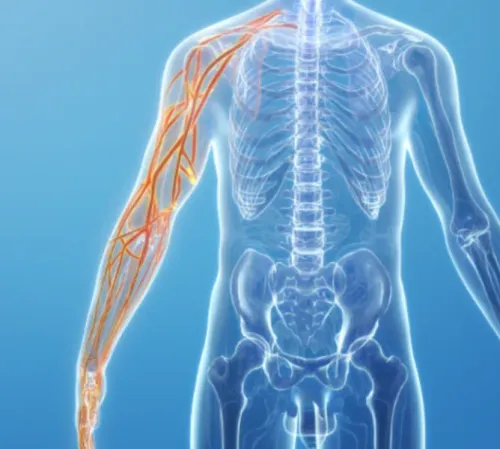
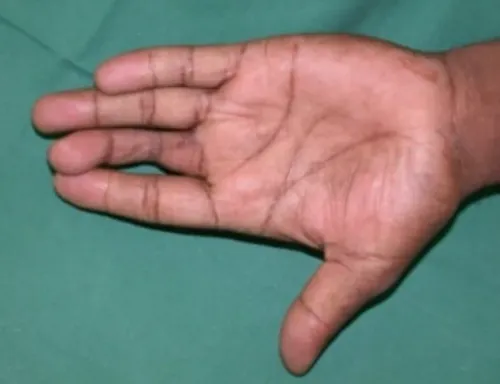
- Associated nerve compression
- Poor rehabilitation adherence
- Underlying joint problems
Simply resting the elbow without identifying the root cause may not provide lasting relief.
Symptoms That Suggest Resistant Tennis Elbow
Common warning signs include:
- Persistent pain while lifting objects
- Weak grip strength
- Pain during twisting movements
- Difficulty opening jars
- Discomfort while shaking hands
- Pain that returns after temporary improvement
- Reduced work performance
- Tenderness over the outer elbow
These symptoms may gradually become more severe if left untreated.
How Is the Diagnosis Confirmed?
A specialist carefully evaluates both the elbow and nearby joints.
Assessment typically includes:
- Physical examination
- Grip strength testing
- Tendon evaluation
- Assessment of wrist movement
- Imaging when necessary
- Evaluation for nerve-related conditions
Because several disorders produce similar symptoms, an accurate diagnosis is essential before deciding on treatment.
Treatment Beyond Rest
When standard treatments fail, a more comprehensive management plan may be recommended.
Possible options include:
- Structured physiotherapy
- Activity modification
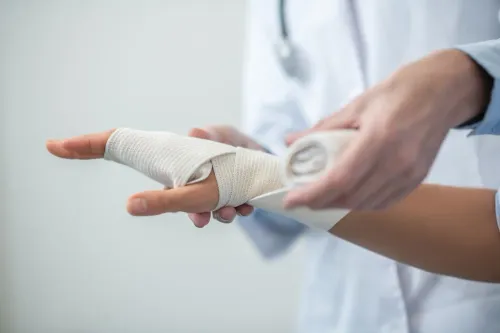
- Bracing
- Ultrasound-guided procedures
- Regenerative treatment in selected cases
- Surgical intervention for persistent tendon damage
Treatment is tailored according to the severity of tendon degeneration and the patient's lifestyle requirements.
Recovery Requires More Than Pain Relief
One common mistake is returning to heavy activities as soon as discomfort decreases.
Successful recovery usually involves:
- Gradual strengthening exercises.
- Correcting repetitive movement patterns.
- Improving workplace ergonomics.
- Progressive return to sports or manual work.
- Regular follow-up assessments.
Addressing the underlying cause helps reduce the risk of recurrence.
Preventing Tennis Elbow from Returning
Long-term prevention focuses on reducing unnecessary strain.
Helpful measures include:
- Warming up before physical activity
- Using proper lifting techniques
- Improving grip mechanics
- Taking breaks during repetitive work
- Strengthening forearm muscles
- Avoiding sudden increases in activity intensity
Small adjustments often provide significant long-term benefits.
When Is Specialist Care Recommended?
If elbow pain continues for several months despite medication, rest, or physiotherapy, further evaluation is advisable. Persistent symptoms may indicate tendon degeneration or another condition requiring specialised treatment.
Patients in Bangalore with complex upper limb conditions often consult Dr. Kishan Rao, who evaluates disorders affecting the hand, wrist, and elbow. Educational information available through handsurgeon.co.in also helps patients better understand resistant tendon conditions and the treatment pathways available.
Resistant tennis elbow is more than a stubborn ache—it is often a sign that the tendon has not healed properly or that another underlying issue has been overlooked. Seeking timely specialist assessment can help identify the exact cause, guide appropriate treatment, and support a safe return to work, sports, and everyday activities without persistent pain.