

Persistent wrist pain can sometimes continue even after initial treatment, particularly when the problem involves structures inside the wrist joint. In selected cases, wrist arthroscopy may be considered to directly assess or treat certain internal wrist conditions through small surgical openings.
Patients considering wrist arthroscopy in Bangalore should understand why the procedure is recommended and what information it may provide.
What Is Wrist Arthroscopy?
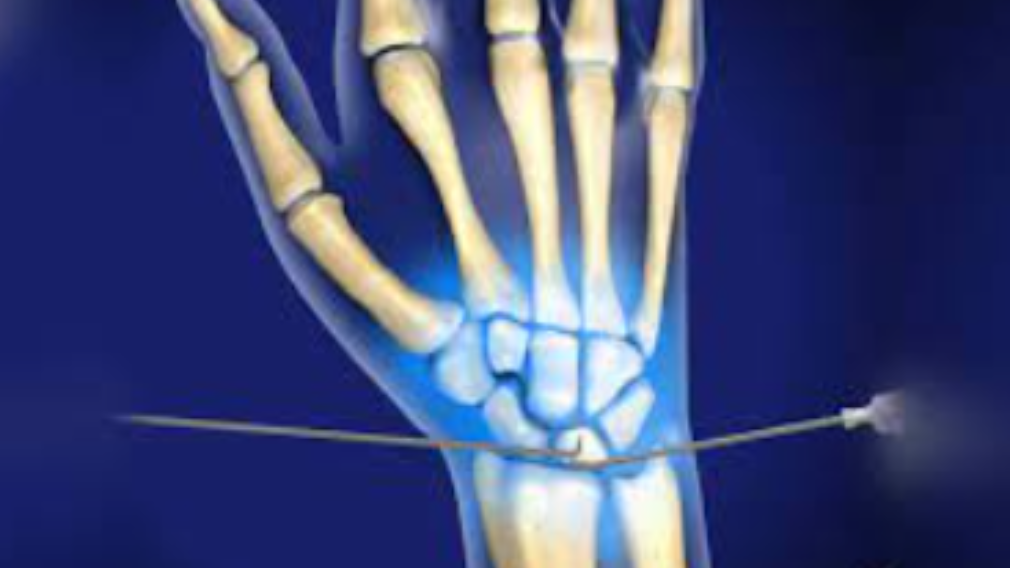
Arthroscopy is a minimally invasive surgical technique that uses a small camera called an arthroscope.
Through small portals around the wrist, the surgeon can view internal joint structures on a monitor. Additional instruments can be introduced through other small openings when treatment is required.
The technique allows direct visualization of areas inside the wrist that can be difficult to assess from the outside.
When May Wrist Arthroscopy Be Considered?
The procedure may have a role in selected patients with persistent wrist symptoms where clinical assessment and imaging suggest an internal joint problem.
Depending on the condition, arthroscopy may be used in the evaluation or treatment of certain
- Ligament injuries
- Cartilage problems
- TFCC-related injuries
- Selected wrist fractures
- Joint abnormalities
- Persistent unexplained intra-articular wrist symptoms
It is not required for every case of wrist pain.
Why Not Simply Rely on Scans?
Modern imaging provides valuable information, but wrist anatomy is complex.
Clinical examination and imaging usually guide the diagnosis. Arthroscopy can provide direct visualization of internal structures in appropriately selected cases.
The decision to perform arthroscopy should therefore be based on a clear clinical reason rather than used routinely for every painful wrist.
What Makes Someone a Suitable Candidate?
Readiness for wrist arthroscopy depends on the diagnosis rather than the duration of pain alone.
A patient may be considered when
- Symptoms remain functionally limiting
- Conservative management has not been sufficient where appropriate
- Examination suggests an internal wrist lesion
- Imaging identifies a condition potentially suitable for arthroscopic management
- Further direct assessment is clinically justified
The surgeon should explain what problem the procedure is intended to investigate or treat.
What Happens After the Procedure?
Recovery depends on what is found and what treatment is performed during arthroscopy.
A purely diagnostic procedure may have a different recovery pathway from arthroscopic repair of an injured structure.
Postoperative care can involve
- Dressings
- Temporary wrist protection
- Activity restrictions
- Pain management
- Follow-up assessment
- Gradual wrist movement
- Hand therapy when indicated
Patients should follow procedure-specific instructions rather than assuming that small incisions mean immediate return to unrestricted activity.
Questions to Ask Before Wrist Arthroscopy
Before proceeding, it is useful to understand
- What condition is suspected?
- What has previous imaging shown?
- What will arthroscopy help confirm?
- Can treatment be performed during the same procedure?
- What restrictions will follow surgery?
- Will a splint be needed?
- When can work activities resume?
- What rehabilitation is expected?
These questions help patients prepare practically for treatment.
Specialist Assessment Helps Determine Whether Arthroscopy Is Appropriate
Wrist arthroscopy is a technique, not a diagnosis. Its value depends on selecting it for the right wrist problem.
Dr. Kishan Rao assesses wrist conditions in Bangalore to determine the likely source of symptoms and whether arthroscopic evaluation or treatment has an appropriate role.
For patients across Bangalore and Karnataka, persistent wrist pain, painful clicking, instability, or ongoing functional limitation should first be assessed to identify the underlying structure involved. When wrist arthroscopy is recommended, understanding the purpose of the procedure, expected treatment, rehabilitation needs, and likely recovery pathway helps patients make a more informed decision.