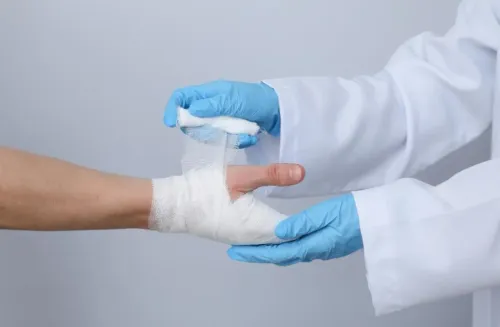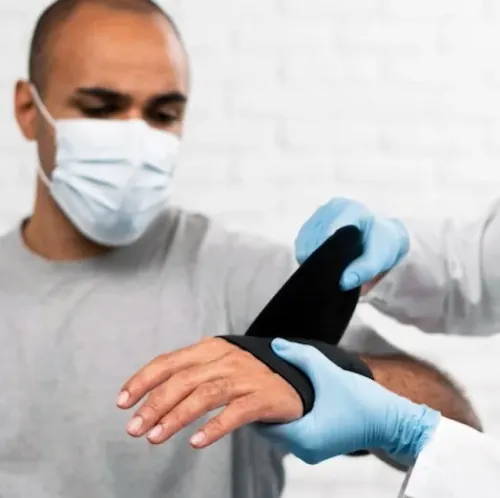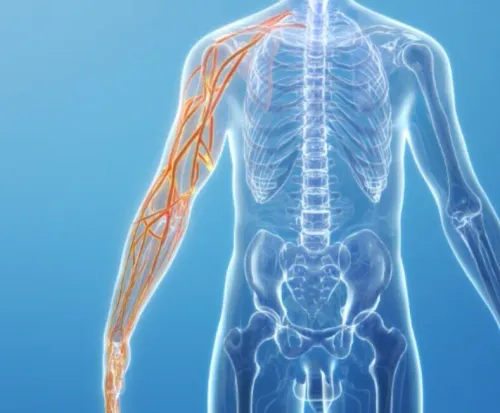
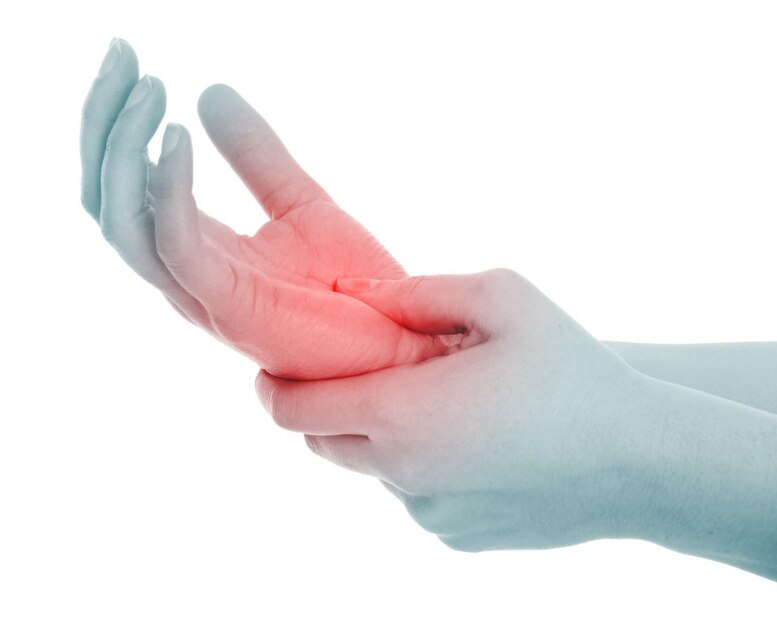
Tingling that wakes you at night can progress into daytime numbness, dropped objects, weaker grip, and difficulty moving the thumb. By the end, you will be able to match symptoms to the median-nerve pattern, distinguish carpal tunnel syndrome from common alternatives, recognise warning signs, and understand how clinicians confirm the diagnosis.
Key takeaways
- Nighttime tingling relieved by shaking your hand is a common carpal tunnel pattern.
- Carpal tunnel syndrome usually affects the thumb, index, middle, and thumb-side ring finger.
- Persistent numbness, thumb wasting, or declining grip strength needs prompt assessment.
- Clinicians combine symptom patterns, hand examination, and nerve tests to judge severity.
How Carpal Tunnel Symptoms Progress From Nighttime Tingling to Weakness
A pattern that repeatedly wakes you from sleep, improves when you shake or rub your hand, and later appears during the day suggests more than temporary pins-and-needles. Wrist flexion during sleep increases pressure on the median nerve, producing nighttime numbness and hand tingling in its territory.
- Early carpal tunnel syndrome symptoms often begin as intermittent burning, electric shocks, or “pins and needles” at night. You may hang your hand over the bed to relieve them.
- As median nerve symptoms persist, numbness can interrupt driving, phone use, typing, or other activities that keep your wrist bent.
- With worsening compression, sensation stays dulled after you wake, and you may drop cups, keys, or tools because your grip feels unreliable.
- Later, weakness in thumb movement can make pinching, buttoning clothes, or opening a jar difficult. Visible hollowing at the base of the thumb signals advanced nerve dysfunction.
The usual sensory area is the thumb, index finger, middle finger, and thumb-side half of the ring finger. The thenar eminence—the padded palm below the thumb—often remains sensitive, so numbness across the whole palm fits isolated carpal tunnel syndrome less well.
Symptoms can affect both hands without matching in severity, and one-sided symptoms do not exclude the diagnosis. Pain in the wrist, hand, or forearm can occur; symptoms reaching above the elbow or involving the neck point toward another or additional nerve problem.
Which Fingers Carpal Tunnel Syndrome Affects—and Why Symptoms Worsen at Night
The usual pattern is thumb, index, middle finger, and the thumb-side half of the ring finger. Thumb index middle finger numbness may feel like tingling, burning, electric shocks, or pins and needles rather than complete loss of sensation. Ring finger numbness is more suggestive when it affects only the side nearest the middle finger.
| Area or situation | What you may feel | Why it happens |
|---|---|---|
| Thumb, index, middle, and thumb-side ring finger | Tingling, burning, or reduced sensation | The median nerve supplies this territory |
| Little finger and little-finger side of the ring finger | Numbness outside the usual pattern | Another nerve, such as the ulnar nerve, may be involved |
| Palm below the thumb | Usually normal sensation | The palmar cutaneous branch leaves the median nerve before the carpal tunnel |
| Wrist, hand, or forearm | Aching or discomfort | Irritation can extend beyond the fingers without reaching the neck |
| Driving, phone use, typing, or gripping | Symptoms build during sustained use | A bent wrist narrows the tunnel and raises carpal tunnel pressure |
Sleep is a common trigger because wrist flexion during sleep reduces space around the median nerve. You may wake to shake, rub, or hang the hand over the bed edge. Holding a phone or steering wheel keeps the wrist in one position, while gripping adds pressure; a physically demanding job is not required.
Both hands can be affected, with different severity on each side. Numbness throughout the palm, symptoms above the elbow, or neck pain deserves a broader nerve assessment.
How to Tell Carpal Tunnel Symptoms From Other Nerve and Joint Problems
The location, trigger, and duration separate carpal tunnel symptoms from look-alike problems. Carpal tunnel usually causes burning or electric tingling in the thumb, index, middle, and thumb-side half of the ring finger. The thenar area below the thumb is often spared, and pain can reach the wrist or forearm but usually not above the elbow.
1. Cervical radiculopathy starts in the neck and radiates through the shoulder or arm in a stripe-like pattern. Neck movement can worsen it, and symptoms may involve the entire arm.
2. Ulnar nerve compression affects the little finger and the ulnar half of the ring finger, especially with prolonged elbow bending. It does not follow the thumb-and-index-finger pattern.
3. Diabetic peripheral neuropathy usually causes numbness or burning in both feet first, then the hands in a fairly diffuse, glove-like pattern. It is less tied to wrist position or nighttime wrist flexion.
4. Arthritis hand symptoms include joint pain, stiffness, swelling, tenderness, or a bony enlargement that worsens with use. Tendon disorders cause pain with gripping or resisted movement but do not produce a consistent numb-finger pattern.
5. Temporary pins-and-needles follows pressure on a limb, such as sleeping on your arm, and fades within minutes after changing position. Persistent or recurring symptoms deserve assessment.
Nerve-conduction studies and electromyography help separate median-nerve compression from cervical radiculopathy and generalized neuropathy. A normal early study does not override a convincing symptom pattern.
When Numbness, Thumb Wasting, or Weak Grip Needs Prompt Assessment
Constant numbness, visible thenar atrophy, or hand weakness deserves prompt clinical assessment rather than wrist-splint treatment alone. These findings suggest ongoing median-nerve dysfunction, and delay can allow thumb muscles and hand function to deteriorate.
Check whether you can:
- Feel light touch equally on the thumb, index, middle, and thumb-side half of the ring finger.
- Hold a cup, phone, or shopping bag without dropping objects.
- Pinch paper between your thumb and index finger, turn a key, and fasten buttons.
- Match the strength of both hands when squeezing a folded towel; reduced grip strength on one side is important.
- Touch your thumb to the tip of your little finger and lift the thumb away from your palm.
- See a hollow or flattening in the muscle mound below the thumb. That appearance is thenar atrophy.
Use the pattern below to judge how quickly to arrange care:
| Pattern | Practical meaning | What to do |
|---|---|---|
| Intermittent tingling only at night | Sensation returns after changing position | Arrange routine assessment if it persists or recurs |
| Numbness during the day or constant numbness | The nerve is affected beyond sleep-related pressure | Book a clinical assessment promptly |
| Dropping objects or reduced grip strength | Motor function is becoming impaired | Seek prompt assessment rather than relying on a splint |
| Sudden weakness with facial drooping or speech trouble | Possible stroke, not typical isolated carpal tunnel syndrome | Call emergency services immediately |
How Clinicians Confirm Carpal Tunnel Syndrome and Judge Its Severity
The carpal tunnel diagnosis rests on the symptom pattern and examination, not on one provocative maneuver. During assessment, the clinician maps numbness, checks grip and thumb opposition, inspects the thenar eminence for wasting, and examines the neck and elbow for another nerve source.
The examination findings guide the next step:
- A Phalen test holds the wrists flexed; tingling in the median-nerve fingers supports the diagnosis, but a negative result does not exclude it.
- A Tinel test taps over the carpal tunnel; electric-shock tingling supports local nerve irritation, but a positive result is not proof by itself.
- Sensory loss in the thumb, index, middle, or thumb-side ring finger fits median-nerve compression. Numbness across the entire palm, into the little finger, above the elbow, or into the neck points toward another or additional problem.
- Thenar weakness or wasting suggests more advanced nerve impairment and raises the urgency of treatment.
A nerve-conduction study measures how quickly and strongly the median nerve carries signals across the wrist. Electromyography checks the electrical activity of muscles supplied by that nerve. Together, these tests confirm compression, grade severity, and help distinguish carpal tunnel syndrome from cervical radiculopathy, proximal median neuropathy, or polyneuropathy.
Early disease can produce normal results, so Dr.Kishan Rao would interpret them alongside the clinical picture rather than dismiss convincing symptoms. Mild findings may support splinting and observation; marked slowing, muscle changes, or progressive weakness can prompt discussion of nerve-release treatment.
Frequently asked questions
How do carpal tunnel symptoms progress from nighttime tingling to weakness?
Symptoms often begin as intermittent tingling or numbness at night, then appear during daytime activities. Persistent sensory loss can progress to thumb weakness, dropping objects, and muscle wasting at the base of the thumb.
Which fingers does carpal tunnel syndrome affect?
It usually affects the thumb, index finger, middle finger, and thumb-side half of the ring finger because the median nerve supplies sensation to that area. The little finger is usually spared.
How can you distinguish carpal tunnel symptoms from other nerve or joint problems?
Carpal tunnel symptoms follow the median nerve distribution and often worsen with a bent wrist at night. Neck nerve compression, ulnar nerve problems, arthritis, and tendon conditions produce different pain, numbness, or weakness patterns, so an examination is important.
When does hand numbness or weakness need prompt assessment?
Arrange prompt assessment when numbness becomes constant, grip strength declines, you drop objects, or the muscle at the base of the thumb appears smaller. Sudden weakness or numbness with facial drooping or speech trouble requires emergency care.